Check the venue, not just the theatre company
Theater Chemnitz operates several venues. A performance at Spinnbau means travelling to Altchemnitzer Straße 27, not to the opera house on Theaterplatz. Check the title, building and auditorium when booking. Those three details belong together: being on time at the wrong theatre is difficult to put right shortly before the performance starts.
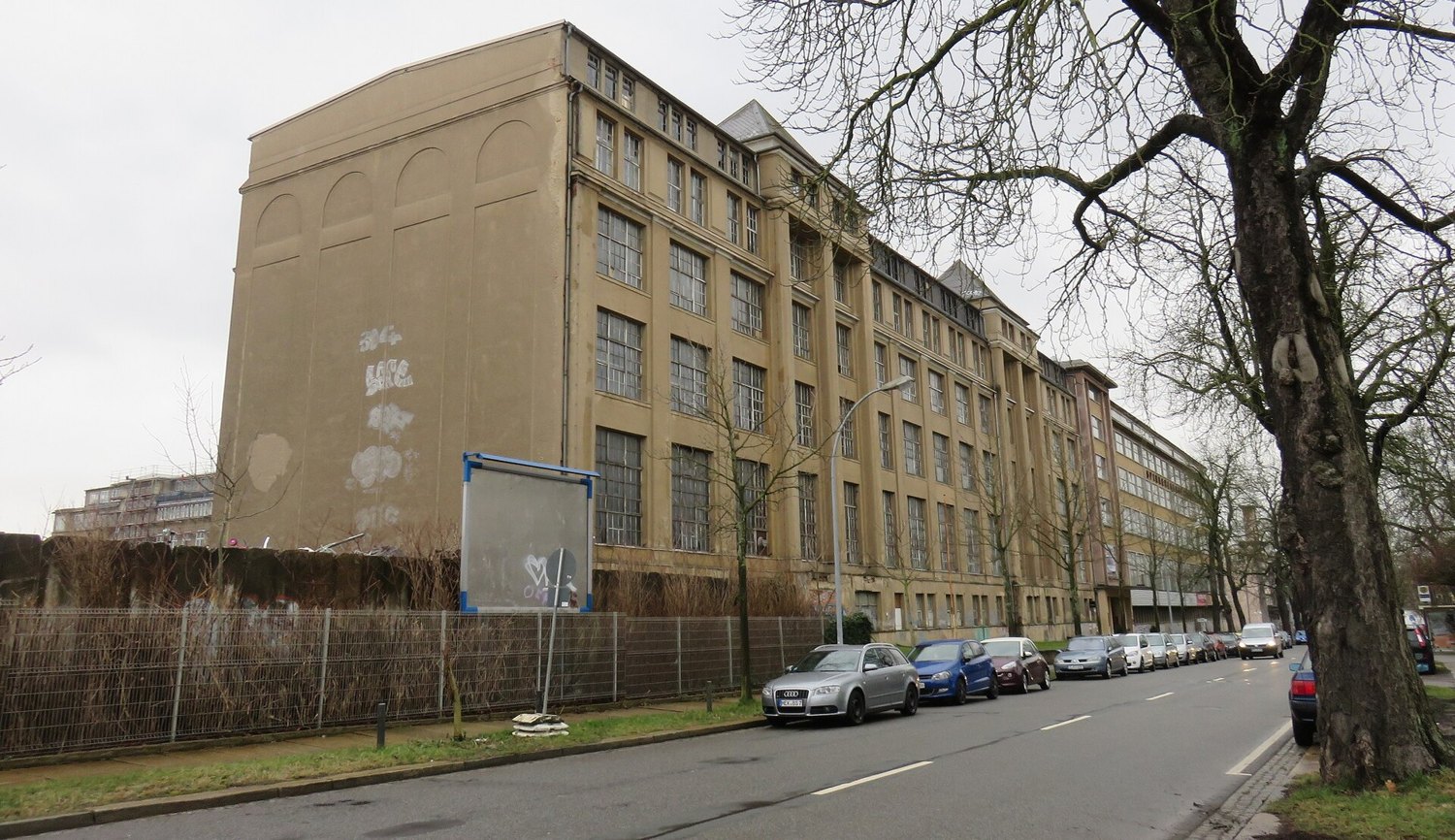
The former industrial complex provides a different setting from a conventional theatre foyer. The company identifies spaces including the Große Bühne, Ostflügel and Figurentheater here. Your event listing determines which one you need. Do not assume an entrance you used on a previous visit will answer every question on your next one.
Choose the production itself
Start with the production description. A familiar title reveals little about a particular staging. The story, performance language, age guidance and advertised running time help establish whether it suits your group. For visitors with limited German, spoken drama presents different demands from a largely visual production. Subtitles or other language assistance should be explicitly advertised; a famous international play does not guarantee them.
Puppet theatre is not automatically intended for children either, so check the audience information. Equally, a family production may interest adults but require a different plan from a late evening performance. When several generations attend together, a suitable duration can matter more than whether everyone recognises the story.
Match the seat to the room
Use the seating plan for your actual stage. Row positions, side seats and proximity to the action can mean different things in different rooms. Discuss particular hearing, sight or mobility requirements with the theatre before booking. An available square on an online seating plan does not explain steps, access routes or potential restrictions to the view.
Leave time between arrival and the performance to find the entrance, prepare your ticket and use the cloakroom if needed. Save digital tickets so that you can access them without mobile data. A group booking should establish who holds the tickets. If you are meeting separately, a named entrance is a more useful meeting place than simply outside the theatre.
Notice the industrial setting
An early arrival allows you to look at the complex from publicly accessible routes. Repeated windows, deep buildings and the scale of the site make its industrial origins visible. The present use becomes a way of understanding how an existing place changes. That does not make every building, office or courtyard freely accessible to theatre visitors.
Afterwards, consider the relationship between room and performance. Did proximity to the actors matter? Was the factory setting noticeable, or did the production draw attention entirely onto the stage? Those questions connect the evening to Chemnitz without adding another formal sightseeing stop before the show. When planning your journey home, use this location rather than the opera house as the starting point.