Begin with the collector's choices
Museum Gunzenhauser houses the collection assembled by the art dealer Alfred Gunzenhauser. Its emphasis includes art around 1900, expressionism, New Objectivity and twentieth-century abstraction. Otto Dix and Alexej von Jawlensky are particularly well represented. This makes the museum a place to compare different artistic approaches rather than simply follow a single style from room to room.
Do not expect a private collection to explain every part of a century's art history evenly. It develops through choices, preferences and encounters. The interest lies partly in which artists appear together and the questions their works raise in one another's company. Check the current display before travelling, since the total holdings are larger than the selection on view.
Follow the portraits
Faces offer one possible thread through a visit. In the works actually displayed, find two portraits that look distinctly different. Notice the sitter's posture, the direction of the gaze and the treatment of skin. A seemingly naturalistic picture can be as deliberately constructed as one with simplified colours. Ask not only whether the image resembles a person, but how it addresses you as a viewer.
After making the comparison, read the dates and explanations. Avoid assuming that a later work automatically supersedes an earlier one. Different visual languages can exist at the same time. With a companion, ask which picture you would like to spend longer with and why. Agreeing on a favourite is less interesting than hearing what the other person has noticed.
Notice the former bank
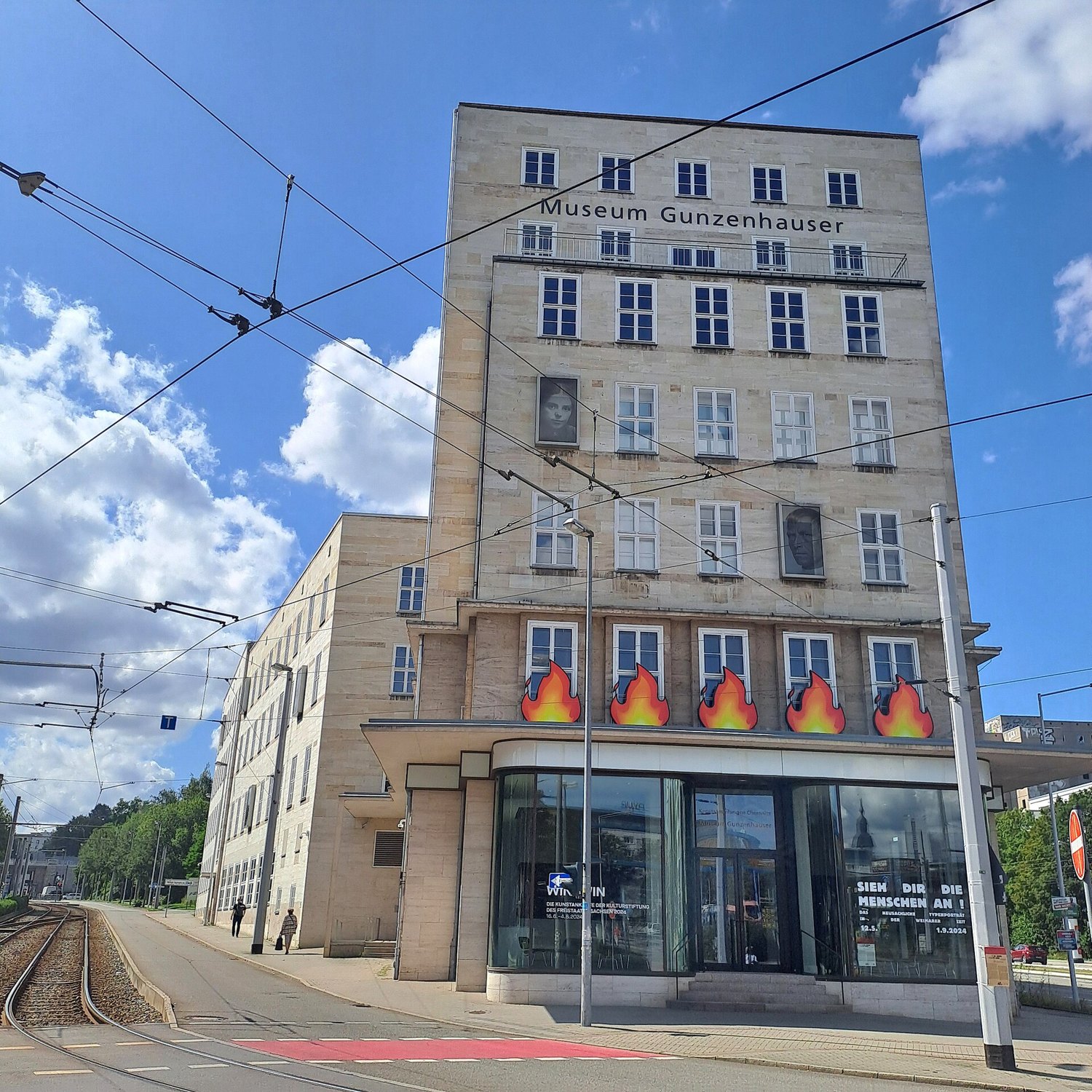
The museum occupies a former savings bank building. Pay attention to the spaces between the entrance, stairs and exhibition rooms as well as to the artworks. A building adapted from another use poses different spatial questions from one designed as a museum from the outset. These transitions can become part of the visit without turning it into a separate architecture tour.
The museum is identified with Falkeplatz, while the operator lists Stollberger Straße 2 for step-free access. If the entrance matters to your journey, consult the current access information directly. A location marker on a map and the entrance you need are not always the same thing. Checking this detail in advance can prevent unnecessary searching outside.
Keep the rest of the day manageable
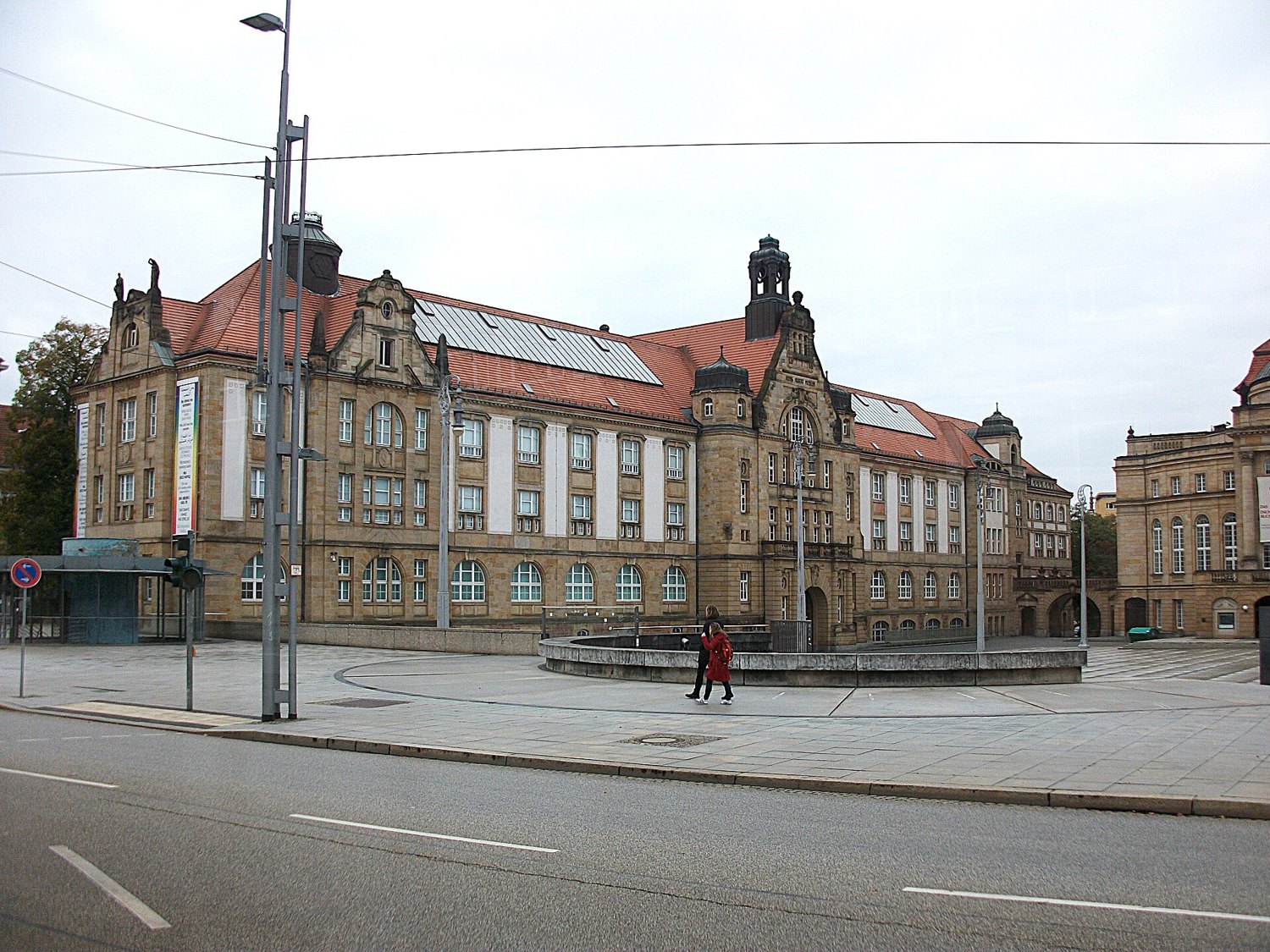
Consider following the visit with a walk instead of automatically adding another large museum. If you do want to continue to the art collections at Theaterplatz, choose a limited focus there. Both museums deserve more than a quick passage through their rooms, and moving between them also takes time.
Before leaving, note an artist whose work you would like to explore through the digital collection. The museum website provides the current exhibitions and visitor arrangements too. This gives you a way to connect a personal impression with information you can return to, without spending the whole visit reading from a phone.