Two histories in one building
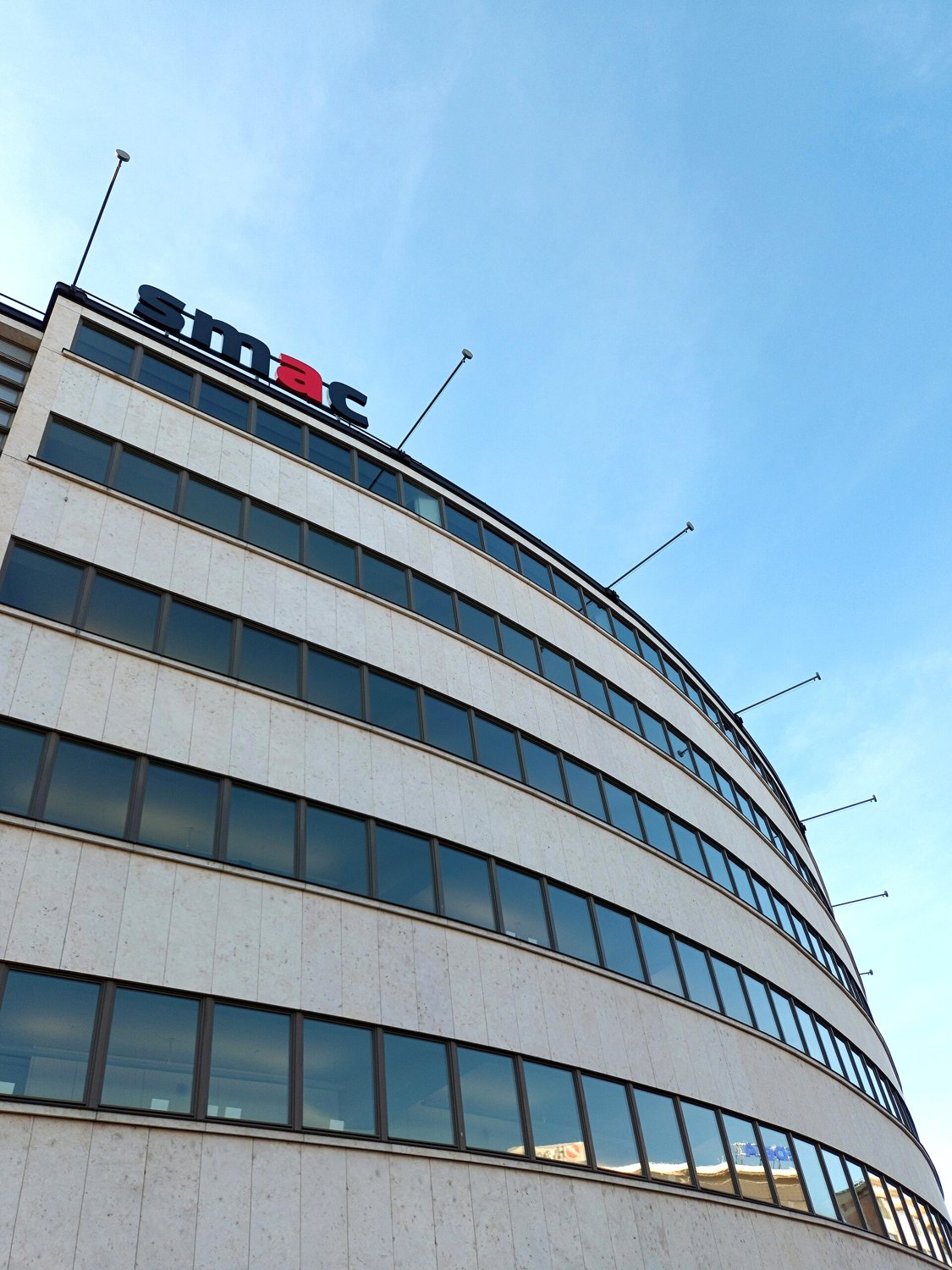
The smac, Chemnitz's State Museum of Archaeology, occupies the former Schocken department store. That combination is a reason to think of the visit as more than a journey into very distant history. The galleries deal with Saxon archaeology; the building belongs to a much more recent history of architecture and commerce. You can explore both without treating them as the same story.
At the start, decide how much attention to give the permanent exhibition and how much to the history of the building. A temporary exhibition adds another choice. Simply putting a museum visit in the diary does not tell you how much you can absorb that day. Look at the current programme beforehand and choose a focus that leaves room to stop and think.
A changing landscape
The archaeological permanent exhibition occupies three levels. Its broad chronology runs from early hunters and gatherers to the beginnings of industrialisation. One connecting theme is how people change the landscape. This involves more than remarkable individual finds: tools, settlement, making things and the everyday lives of communities all help explain the relationship between people and their surroundings.
Try returning to one question as you walk: what could somebody do with this object that had previously been harder? A tool, a vessel or a technical development becomes more than an attractive shape in a case. At the same time, distinguish between a surviving find and a reconstruction. Read which parts are supported by archaeological evidence and which elements help illustrate a possible context.
Choose a few objects to investigate
The long chronological range can encourage visitors to hurry from one period to the next. Instead, select some objects that deserve a longer look. The shape, size and wear on a vessel may raise questions about use. With a tool, the material matters as much as the outline. Those observations give the dates on the labels something concrete to attach to.
With children, ask for a description before asking for a correct identification. Their first answer need not match the historical function. Comparing a shared guess with the label is already a worthwhile part of a museum visit. Do not interrupt that small investigation simply because the next room appears to contain a more dramatic installation. Attention to one object can be a substantial experience in itself.
Adults need not retain every name and date either. Look for a connection between two sections: changing homes, changing work or different uses of materials. A question like this can carry you through several rooms while leaving space for unexpected details. It does not replace the exhibition's organisation; it provides a personal way of engaging with it without turning every case into another task to finish.
Language and pace
The museum lists German and English exhibition texts for the permanent display. Its website also explains audio guides and other interpretation options. Check what is available for your visit, especially if you need a particular format. The existence of an offer on a website does not always mean it can be used without preparation at any moment.
Reading, listening and examining small objects make different demands on concentration. A break is not time lost from the visit. Afterwards, you might prefer to return to one section chosen earlier rather than continue trying to see everything. That second, more attentive encounter may be the part you remember most clearly after leaving the building.
Look at the facade again
After the galleries, take another look at the outside. Between your first and second impressions of the facade, you have encountered an exhibition dealing with very different spans of time. Note a question raised by that contrast. You may now want to learn more about the department store, or follow up one archaeological find that held your attention.
The smac website remains the source for opening arrangements, admission and temporary exhibitions. The approach suggested here does not depend on a fixed visit duration. Its purpose is to turn a large quantity of information into a few understandable connections, giving the older objects as much attention as the distinctive building that now houses them.