A tower above factory roofs
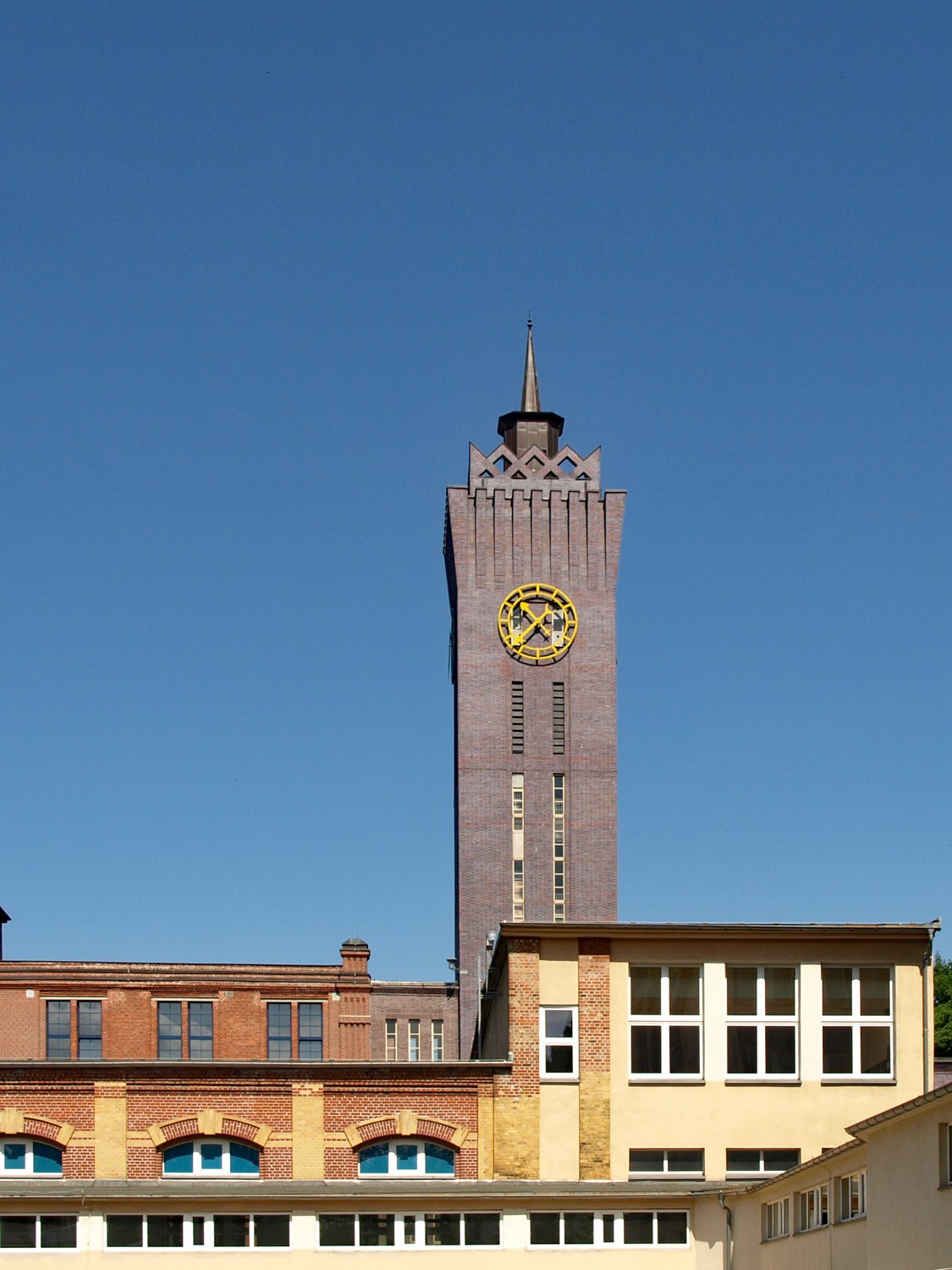
The Schubert & Salzer clock tower is a point of reference in Chemnitz's industrial architecture. Unlike a freestanding monument, it belongs to a developed factory complex. Include the lower buildings and the street when looking at it. A tightly framed photograph describes the tower's shape but explains little about the setting from which it rises.
The Schubert & Salzer name refers to the site's industrial past, particularly its connection with machinery manufacture. The city's series on Chemnitz towers describes the development of the company and the building. Read that account before visiting if you want a closer understanding of the history. The current use of a site cannot be established simply from its former company name.
Look in three stages
Begin with the silhouette. Which elements emphasise height, and which make the building appear broader? Next, look at the rows of windows. Their rhythm helps you see how the floors are grouped together. Only then concentrate on the clock, the top of the tower and smaller details. This approach prevents the striking upper section from eclipsing everything below it.
For photographs, choose a position that makes the proportions understandable. The street and neighbouring buildings can help, even if they appear less dramatic than the tower itself. Stay on public routes. An open gate is not an invitation to enter a working yard or another private area. Look for a specifically advertised event if you want a guided introduction to the complex.
Separate the exterior from possible access
This suggestion concerns looking at the building from outside. It does not assume that the tower opens regularly or contains a public viewing platform. That distinction matters when planning the day: a conspicuous clock high above a street does not mean visitors can climb up to it.
Combine the exterior view with another relevant industrial-history destination, such as the Museum of Industry. Machinery and explanations of production there can complement the architectural impression. Plan the journey between the two deliberately, and check the museum visit separately. Related places do not need to be immediately next to one another to make sense within the same day.
If you have time for only a brief stop, choose a safe position and look for a few minutes without the camera. Afterwards, write down one question about the building's form or use. A specific question often provides a better starting point for further reading than a large number of nearly identical pictures of the clock face.