Find the museum within TIETZ
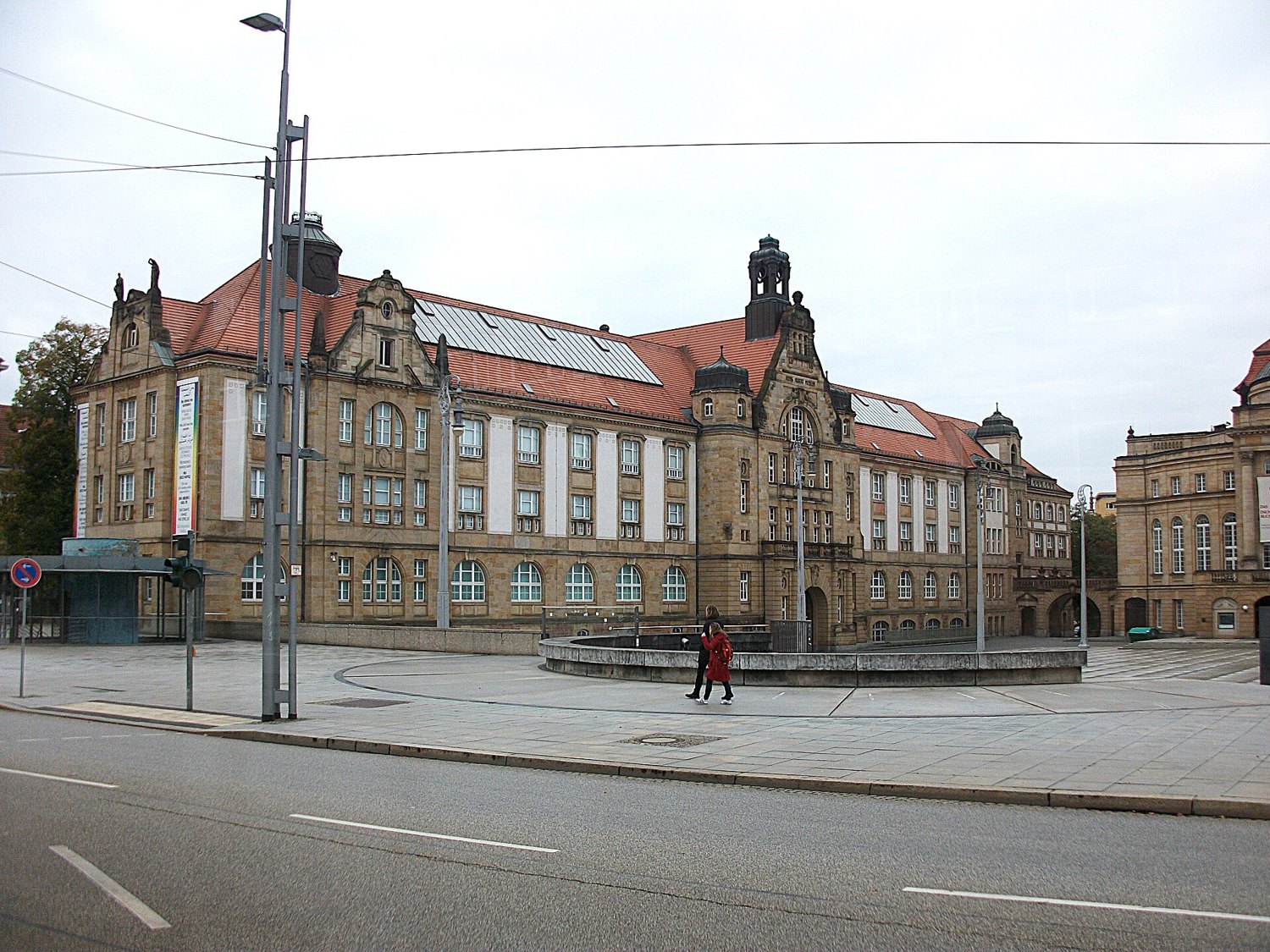
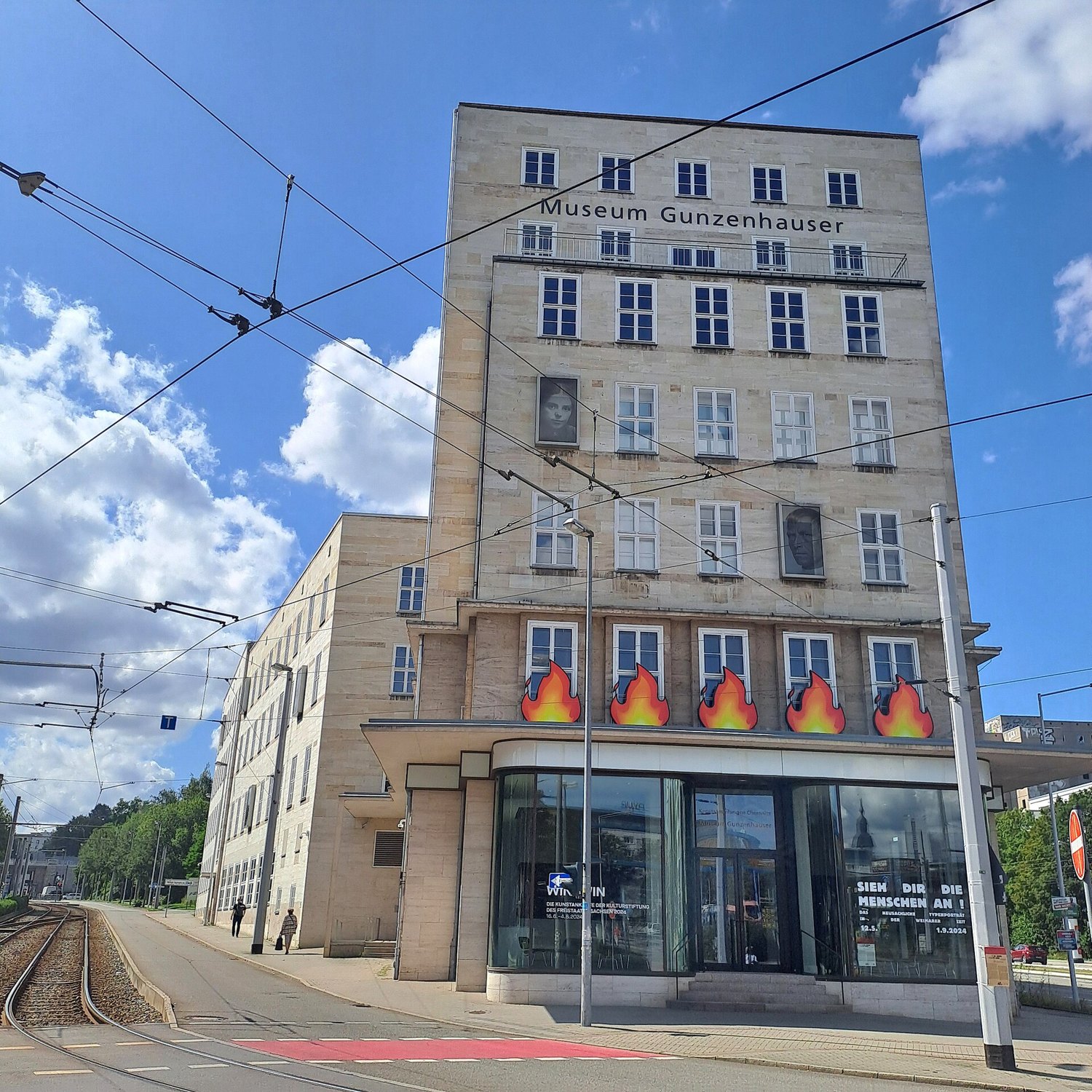
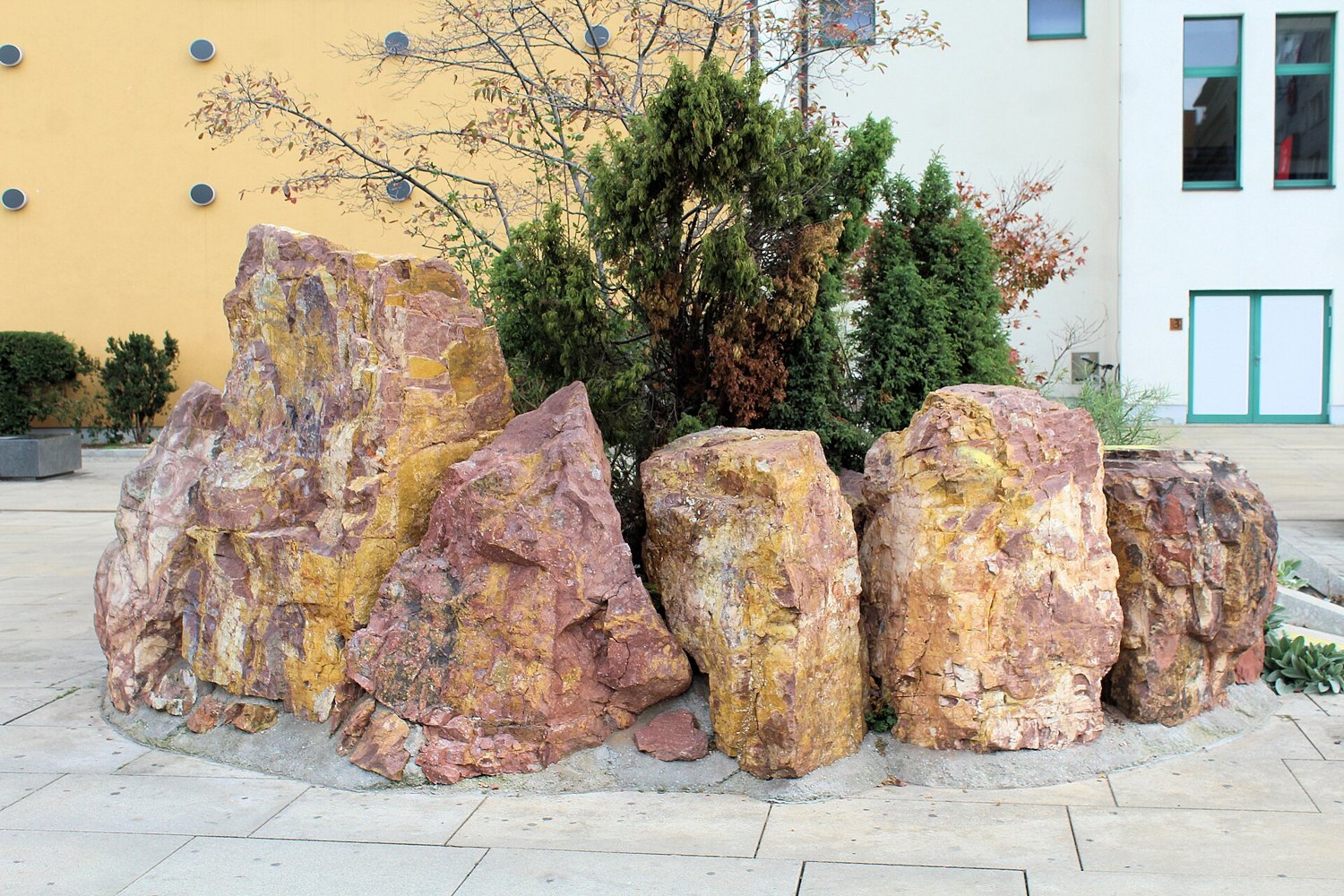
Museum für Naturkunde is located inside TIETZ, a building containing several institutions. Follow the signs for the museum rather than assuming every open floor belongs to the same exhibition. The Petrified Forest in the atrium is a strong point of orientation, but seeing it is not equivalent to visiting all the museum areas.
Check the current exhibition information before arriving. The museum identifies permanent and temporary displays, an insectarium and a historical cabinet among its areas. Different interests may lead to different priorities. For a family with limited attention available, choosing a few areas can be more comfortable than trying to examine everything with equal care.
Turn an object into a question
Natural-history objects become more understandable when they are not judged only by size or rarity. With a fossil, ask which part of an organism survives and what evidence supports its identification. With a rock, distinguish features you can see directly from explanations based on investigation. Look briefly before reading the label so that the information attaches to a specific observation.
A museum presents selected specimens in a particular arrangement. Labels help distinguish originals, models and reconstructions. Ask if the status of an object is unclear. An informative model is not an inferior substitute, but it serves a different purpose from an original find. Understanding that difference makes the interpretation easier to follow.
Give living animals time
The insectarium calls for a different pace. An animal may not move at the moment you stand in front of the glass. Allow time instead of trying to attract attention by tapping or using a light. Follow the institution's instructions, especially around photography and behaviour beside enclosures.
With children, ask where an animal sits within its habitat and how clearly it stands out from its surroundings. This is more concrete than rapidly collecting names. Afterwards, compare what a living observation can reveal with what a preserved specimen makes easier to examine. The two forms of display can answer different questions.
Leave space for a second look
Choose one area you might revisit after a break. A second look often reveals details that were missed during the first overview. It can be particularly useful when an explanatory text initially seemed difficult. Returning to the object after understanding the idea may make the words much clearer.
Check opening and admission with the museum itself. The opening of the TIETZ building does not automatically establish access to every exhibition area. If you intend to use other institutions in the building afterwards, verify their hours separately. A natural-history visit has its own focus and does not need to become a complete tour of the cultural centre. Ending while people are still curious is often better than continuing until every display has been passed without attention.