Move from the street to a person
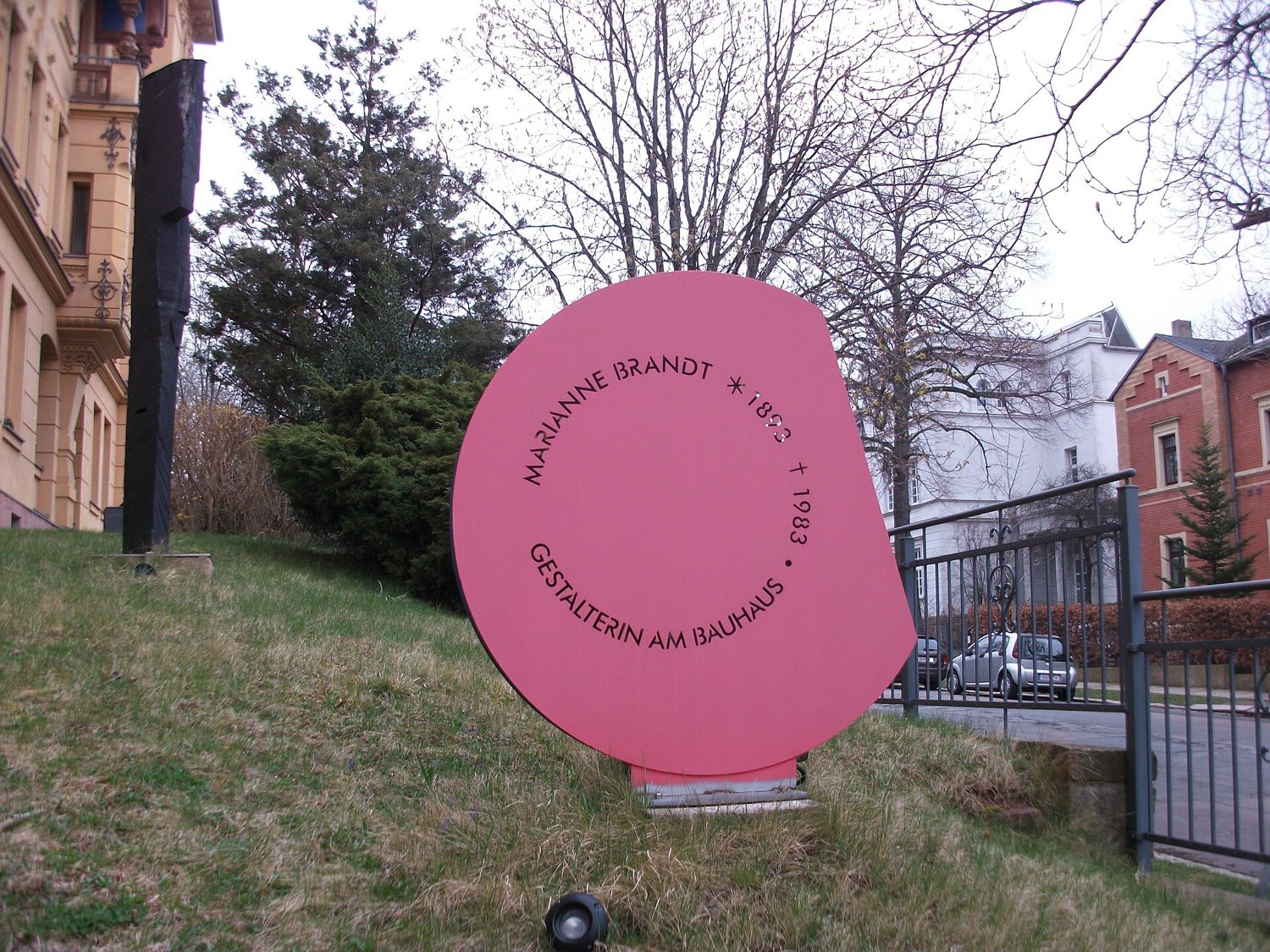
A Kaßberg walk can easily remain a sequence of façades and balconies. Marianne Brandt House on Heinrich-Beck-Straße provides another way in: a designer associated with the Bauhaus metal workshop becomes the focus. The tourism information explicitly identifies this biographical connection. It gives the neighbourhood visit a person and a subject extending beyond the appearance of the houses.
Look for the society's current visiting arrangements before travelling. Smaller exhibition venues can operate differently from large museums. Do not rely on passing by and finding the entrance open. If seeing inside is essential, settle that first and arrange the architectural walk around it afterwards.
Examine useful objects closely
Use is a productive starting point for looking at design. How is an object held, where is a handle placed, and which parts perform different functions? Then consider material, surface and proportion. This makes design understandable as deliberate decisions about things people use, rather than simply a recognisable style.
Apply those questions to the works and images actually on display instead of arriving with a fixed checklist of famous objects. Exhibition selections can change, and a design familiar from a book may not be present. Read labels around reproductions and photographs carefully. They communicate important information but are not equivalent to original objects.
Connect biography with work
A biographical display can explain relationships between education, working conditions, personal decisions and design. Read it as more than a series of dates. Ask what opportunities a person had in a particular situation and which questions appear in the work. This provides a closer understanding of one career without treating it as representative of everyone in the same period.
If you have already looked at architecture, consider the change of scale. A house and a small household object need different solutions, but form, material and use interact in both. That offers a meaningful connection between the exhibition and the Kaßberg streets outside.
Make room for questions
If a guided visit or conversation is available, bring a specific question. You might ask how a particular design decision can be recognised or how a document should be understood. Such questions usually lead further than seeking a general verdict on the Bauhaus as a whole.
Afterwards, a short exterior walk or a pause may be enough. Note one object or idea you want to investigate later. Choose the route back to the centre from your actual location; the house is a specific address within a larger residential district. This keeps the visit distinct rather than making it an incidental stop between façade photographs. It also allows someone with little previous knowledge of design to leave with one clear line of interest instead of an unconnected list of names.