Choose an observation, not a checklist
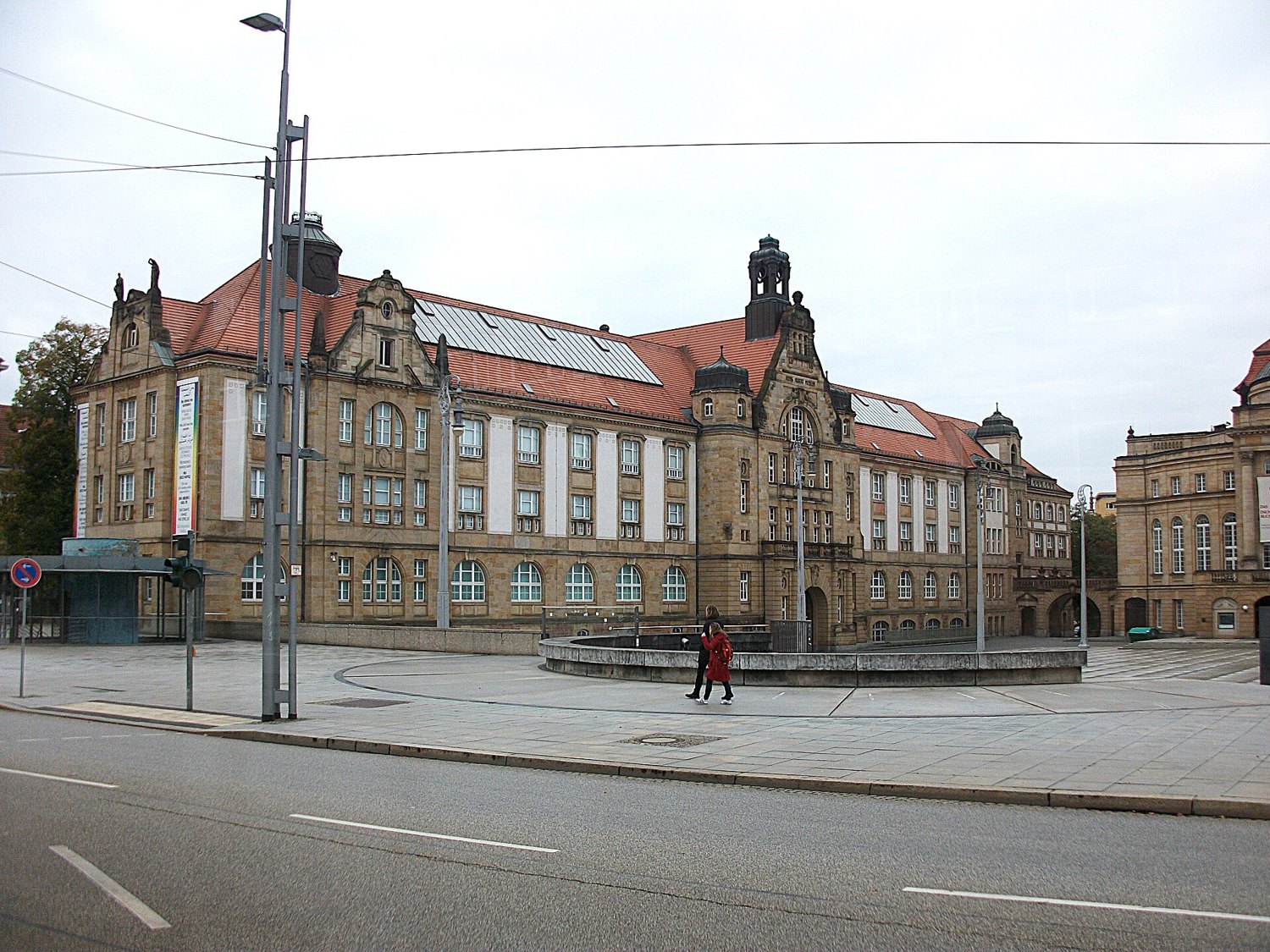
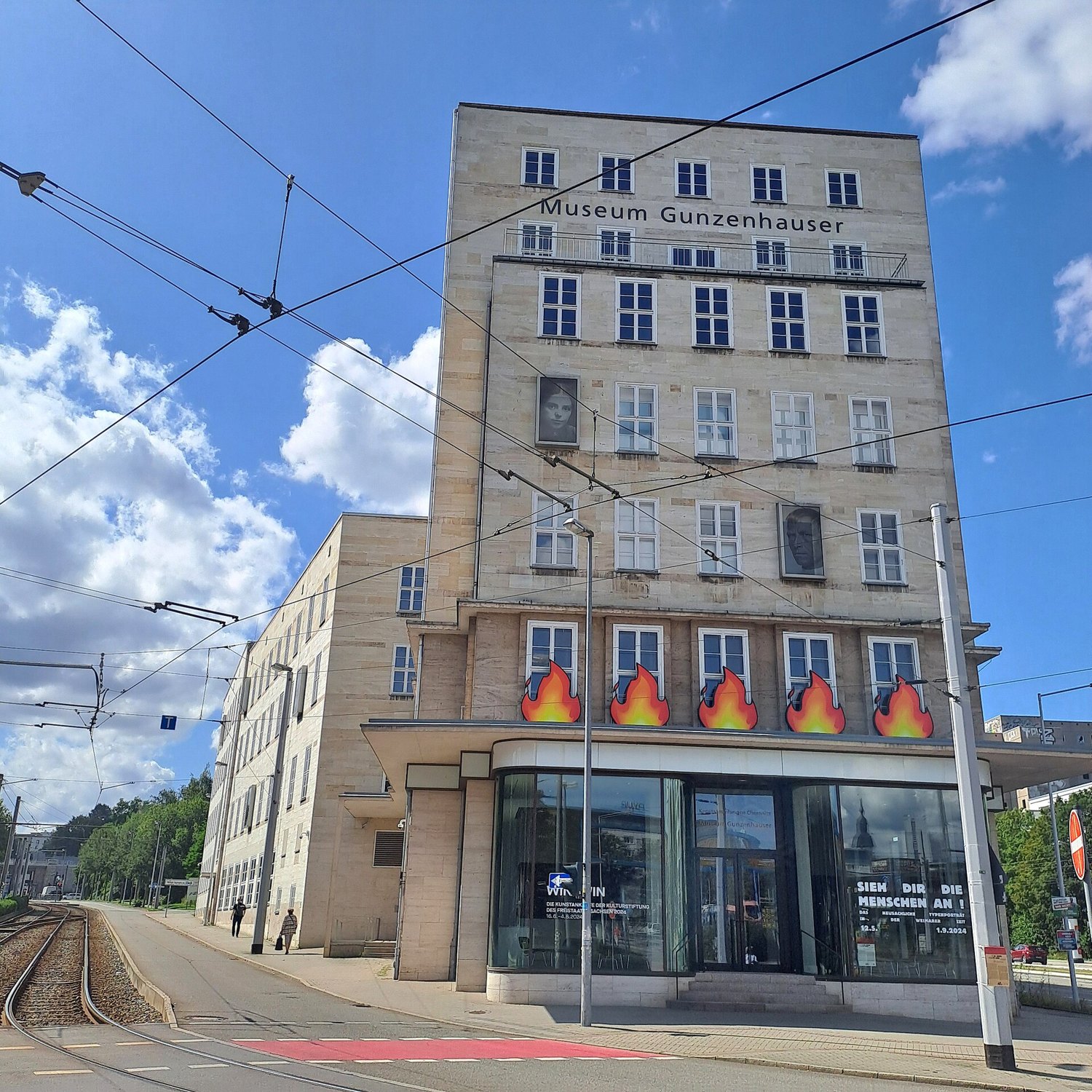
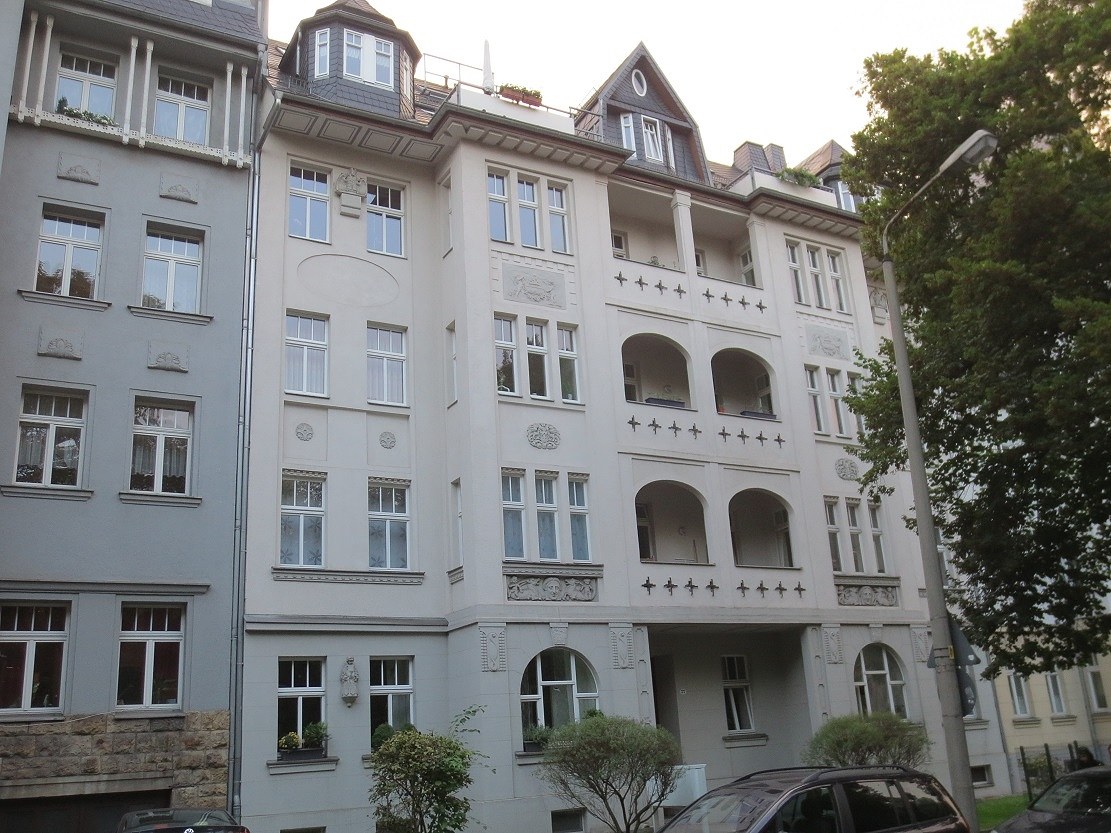
Chemnitz works well for an architectural walk in which a building does not need a famous name to deserve attention. Around Markt and Neumarkt, contrasting approaches to building stand close together. In Kaßberg, longer streets show how similar heights can give a residential district coherence while individual details create variety. For a first outing, choose just one subject: doors, windows or the treatment of corners.
Keep the area manageable. Searching the whole city for every architectural period can turn the day into a sequence of journeys rather than an exercise in looking. A few neighbouring houses offer plenty to compare. Record the street and house number if you intend to research something later. A photograph without its location can be surprisingly difficult to identify among similar façades.
Move from the building to the detail
Begin from the opposite side of the street where there is a suitable public pavement. How is the building arranged? Does it emphasise the entrance, project outwards in the centre or finish with a strongly marked roofline? Only then move to the smaller details. Decoration remains part of a design rather than becoming a collection of attractive fragments.
Windows reveal the ordering of a façade. Repeated intervals can create calm; a different window size draws attention to one part of the elevation. These are observations, not proof of the original room arrangement. Later alterations may have changed the appearance. Without a plan or documentary evidence, a window alone cannot reliably identify a historic bedroom, office or reception room.
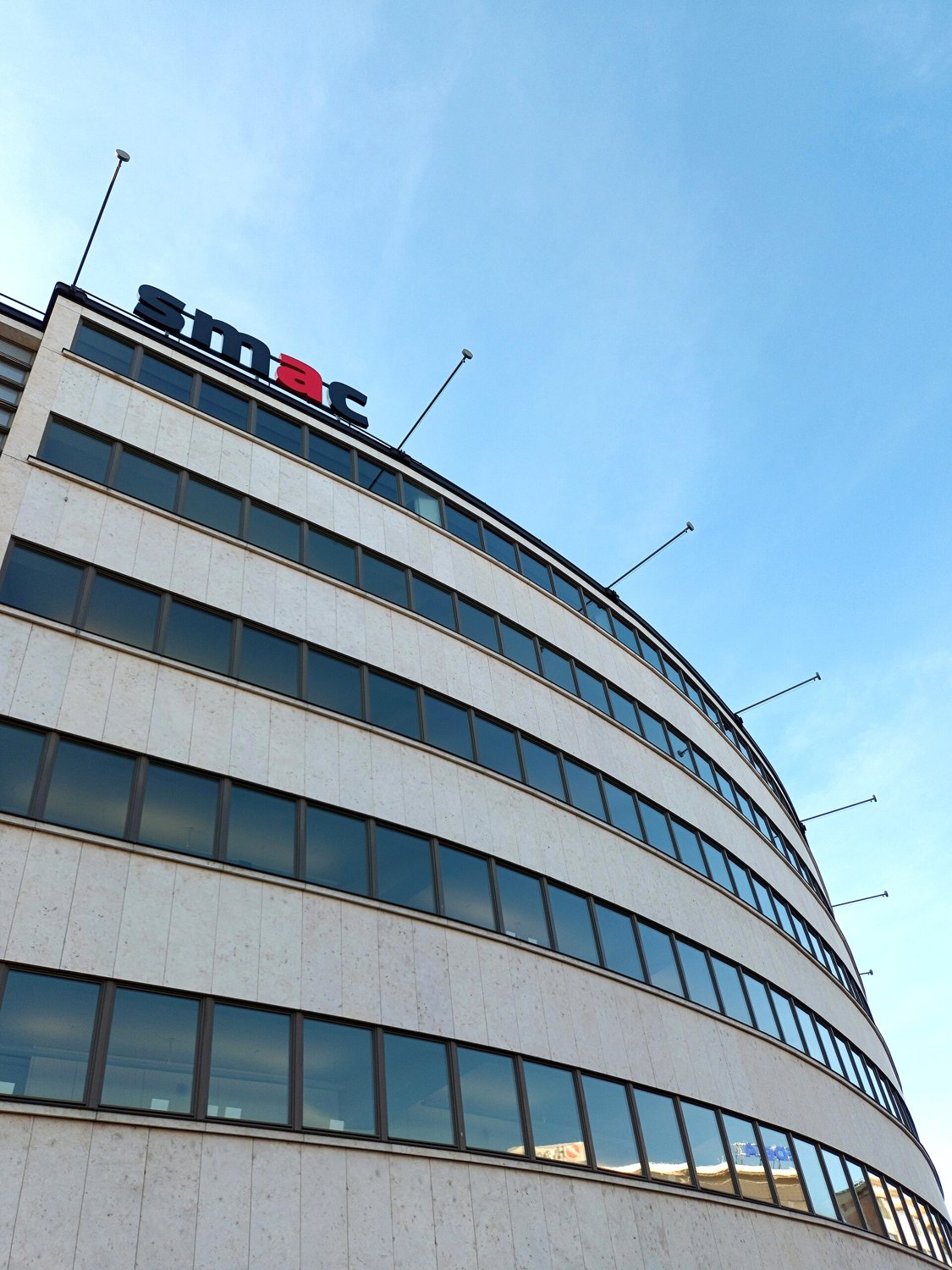
Corners are particularly useful places to compare designs. Two street fronts meet there, and the architect has to address that junction. A bay, a curve or an emphatic vertical line can make the point conspicuous. Compare two corners within one neighbourhood. Even that small exercise explains why a continuous street need not feel monotonous.
Describe materials before naming them
Surfaces deserve a separate look. Render, brick, ceramic decoration, stone and glass respond differently to light. Low side lighting can reveal shallow relief, whereas an overcast sky often makes colours easier to compare. For photographs, both conditions have uses; there is no need to wait for one supposedly perfect type of weather.
A precise stone or historical technique cannot always be identified from the pavement. Start with what is visible: colour, grain, joints or sheen. A plaque or a reliable architectural reference can supply the name later. This keeps your observation useful without turning an impression into an invented explanation.
The Majolika-Häuser on Barbarossastraße are a recognised example of decorative surfaces in Kaßberg. They are residential buildings. The tourism information specifically states that they do not offer public interior visits. The street provides the appropriate viewpoint; staircases and courtyards are not extra stops on an unrestricted walking tour.
Notice different periods of use
An inconsistency is not necessarily a mistake. A replacement window, a blocked entrance or a differently treated ground floor may reflect later use. Ask which elements seem to belong together and which appear to have changed. You do not need an exact date to begin noticing those relationships.
Chemnitz is not easily reduced to one historical style. The official architecture overview emphasises the coexistence of periods in the centre. Use that variety as a starting point without immediately assigning every building to a category. Its function, position in the street and present use are as relevant to the view as its age.
Bring home a small set of observations
One overall view and one detail can be enough for each building. Keep doorways clear and avoid pointing a camera into private windows. Stop to look up rather than continuing to walk with your attention on a gable. Traffic and cycle routes remain part of the surroundings even when the architecture is absorbing.
At the end, compare three discoveries: a repeated shape, an unexpected surface and an apparent alteration. Together they form a personal reading of the neighbourhood. A later outing can follow a more focused question, perhaps city-centre entrances or Kaßberg window patterns, without simply repeating the first walk with a longer list of addresses.