More than a name on a timetable
Hilbersdorf is a significant Chemnitz destination for visitors interested in railways. Schauplatz Eisenbahn uses a historic railway site to explain technical relationships in their original setting. The district extends beyond the museum, however. To explore both, make the museum the main commitment and add a short exterior section deliberately.
Chemnitz-Hilbersdorf station and the museum entrance are not the same place. Check the operator's current arrival instructions before travelling. Its visitor information identifies the entrance at the goods shed near Frankenberger Straße. Heading for a former entrance or simply the nearest visible tracks can create an unnecessary detour.
Understand why the site needs space
A railway depot and marshalling area do not work like a small city museum containing only a few rooms. Outdoor distances separate parts of the site. Those distances are not simply time lost in transit; they help explain the scale of the historical operation. Wear clothing and footwear suitable for being outside as well as inside exhibition buildings.
If someone in your group cannot walk far, ask about arrangements for the particular day. The operator describes several areas and additional services, but their availability should not be assumed for every visit. A historic train in a photograph, for example, is not evidence of a ride operating daily.
Connect the museum with its district
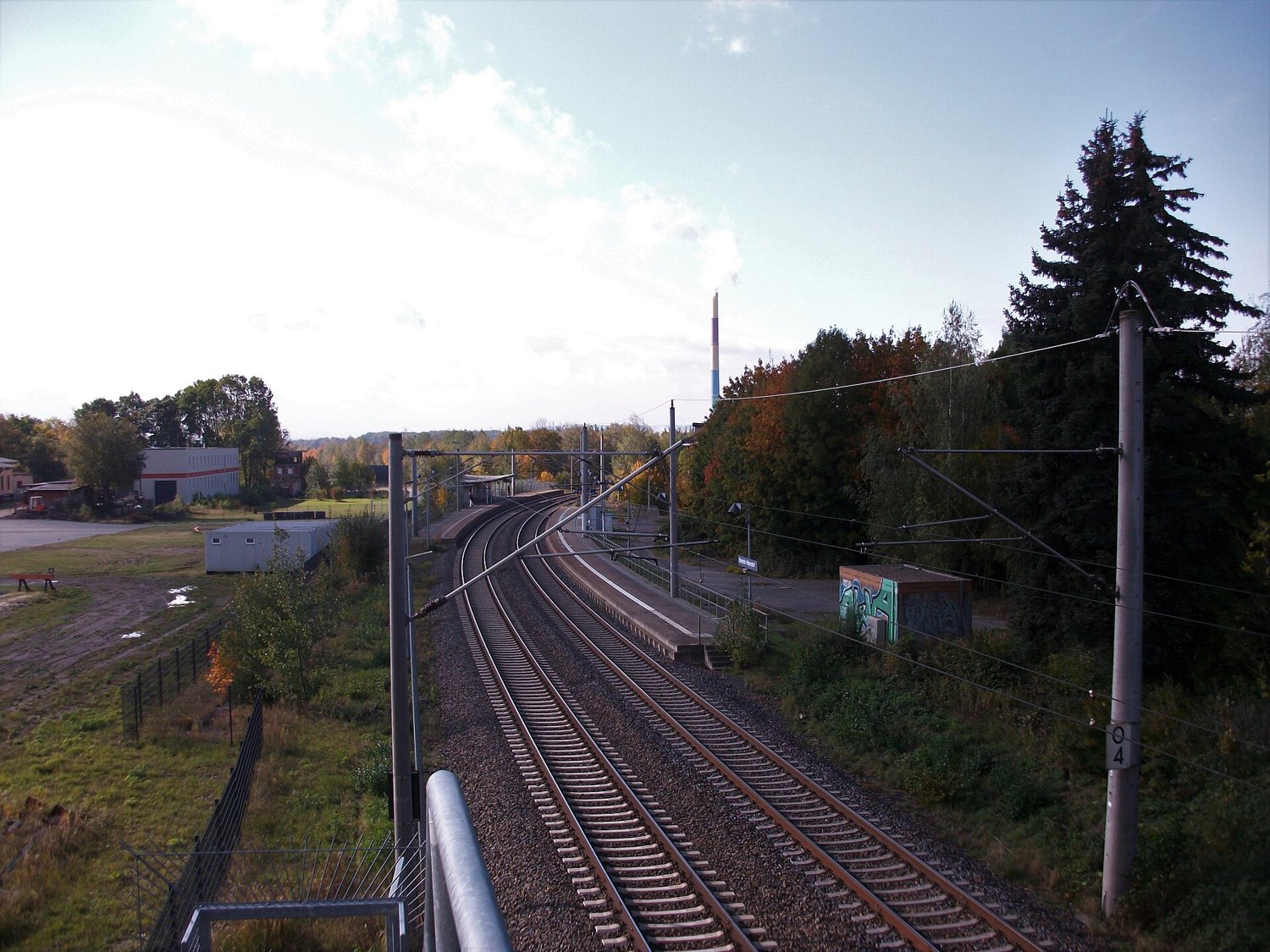
Before or after the visit, a look from public streets can help place the railway land within the neighbourhood. Tracks organise space differently from a city square: crossings, long boundaries and entrances determine movement. Observe these relationships from permitted positions. Active railway lines and restricted land remain outside the walk, even when a photograph would seem easier from closer range.
With children, one question can connect the museum and its surroundings: what does a railway need besides a locomotive? Buildings, routes and operating areas provide different answers. Interpretation inside the museum can then explain observations made on the way rather than introducing everything as an abstract technical subject.
Leave room for the return
After an extensive railway visit, a long additional neighbourhood walk may be too much. Before leaving the site, decide whether to see one short section or return directly. Save the journey from the place where you will actually finish.
Hilbersdorf works well as the focus of a railway day. There is no need to squeeze it between two other large museums. Giving the site enough attention also explains why railways mattered to an industrial city as much more than a way of transporting passengers. The district setting and the museum reinforce each other when neither is treated as a rushed extra.