The skyline is a starting point
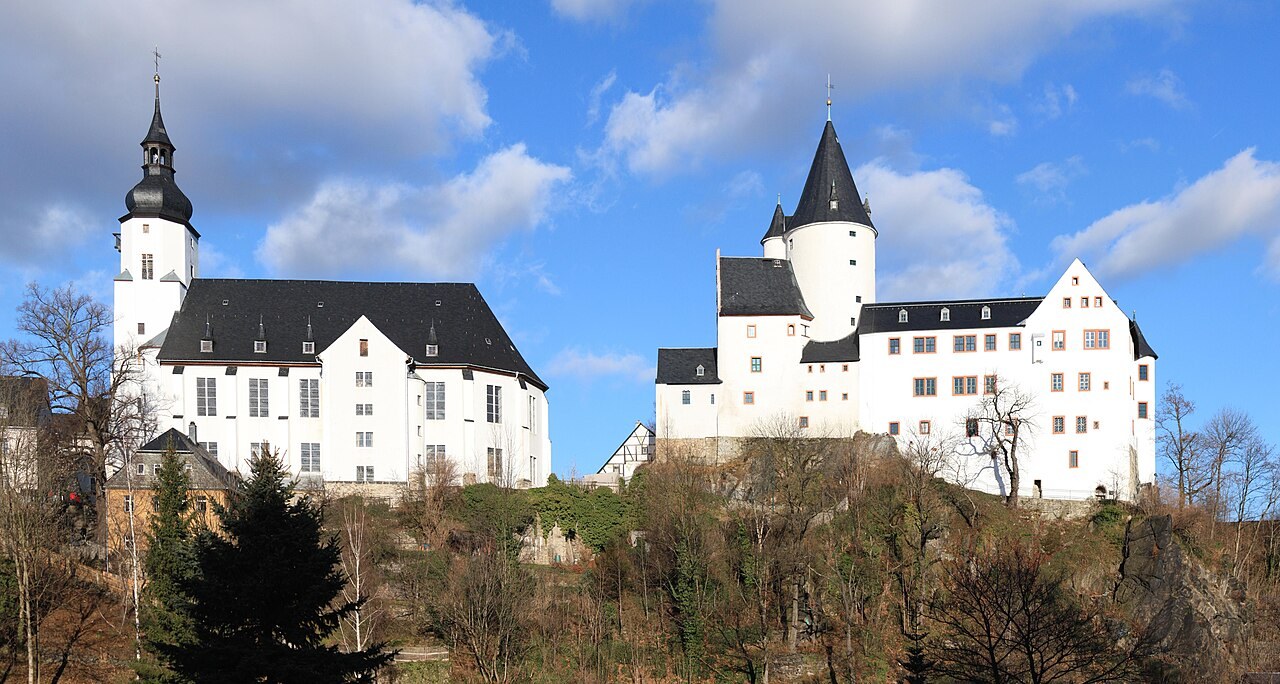
Photographs of Schwarzenberg in the Ore Mountains often bring the castle and St George’s Church together. That view is a useful introduction, but it is not yet a complete day plan. Decide whether the main purpose is the castle museum, an old-town walk or a combination. That choice determines which journeys and opening windows matter most.
Use the complete place name when searching. Other places and castles are also called Schwarzenberg. This outing concerns Schwarzenberg in the Erzgebirge. The same care applies to pictures and maps: a matching castle name alone does not prove that an image or address belongs to the right destination.
Separate arrival from reaching the old town
Treat the final journey from the station or parking place to the old town as its own stage. A short line on a map may include a climb. If you require a particular kind of route, ask visitor information in advance. Seeing the castle and church above you does not by itself reveal the most suitable way to reach them.
If you want to orient yourself first, avoid a tight appointment immediately afterwards. Walking slowly helps explain the relationship between the buildings. For a reserved tour, establish the exact meeting address and leave an arrival margin. The journey time from Chemnitz is not the entire time needed to reach the first museum room.
Give the museum a proper place in the day
The castle museum is called PERLA CASTRUM. Use its official visitor information for current hours, activities and access details. A museum can add connections that the exterior alone cannot explain, so allow concentrated time for it rather than treating it merely as somewhere to shelter from rain.
Ask about suitable interpretation if you have a particular interest. A general visit and a themed tour may emphasise different subjects. With children or a group, consider duration and the pace everyone can manage. Looking closely at selected areas is more realistic than making complete coverage of every display the objective.
In a historic building, access questions should be precise. Ask which rooms can be reached by which route, rather than only whether the museum can be visited in general. Mention step-free requirements or the need for breaks beforehand. A municipal museum address does not guarantee identical conditions in every part of the building.
Give the church and streets separate attention
St George’s Church contributes to the town’s recognisable outline. If you want to enter, check its current visitor arrangements separately. Church opening, museum opening and a booked tour are independent pieces of information. Looking at the exterior remains a distinct part of the outing even when the interior is unavailable.
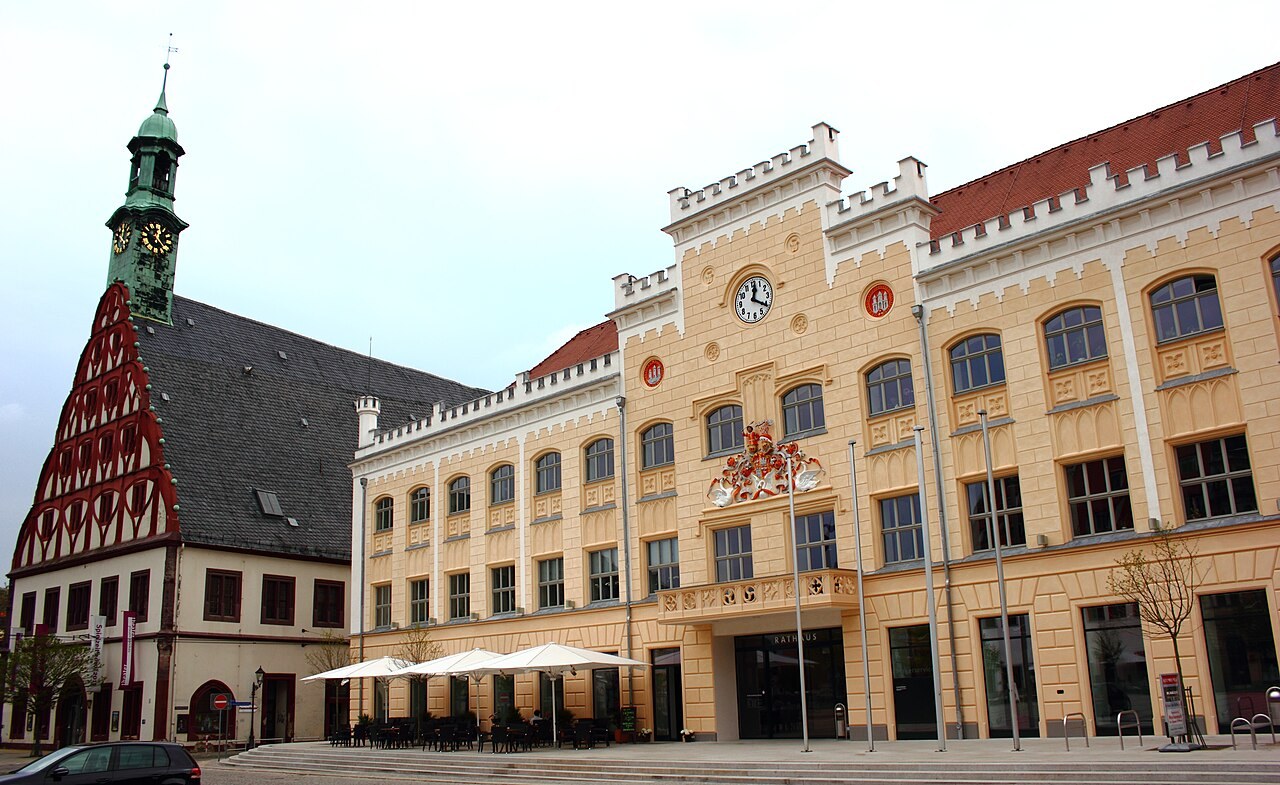
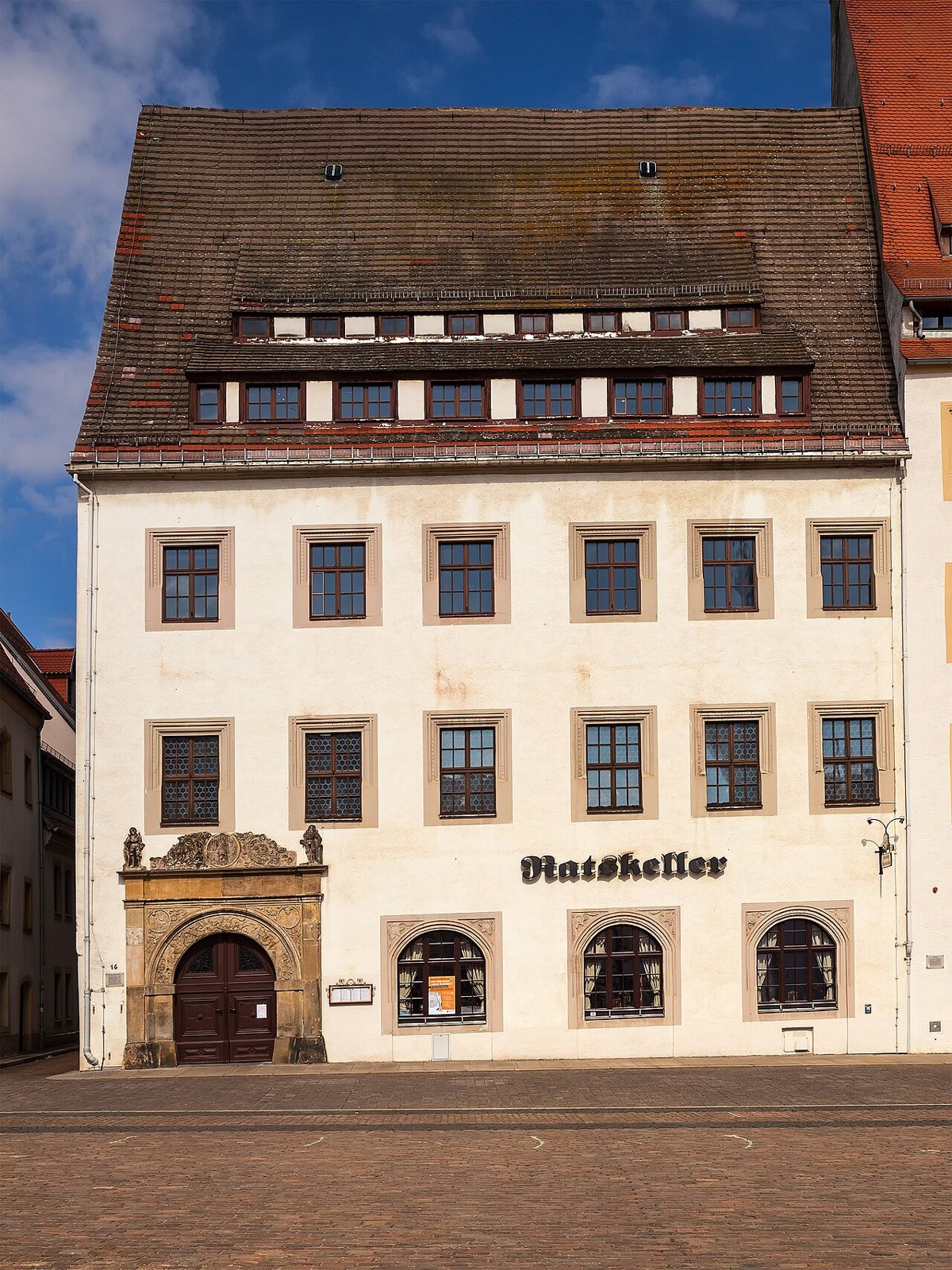
For the old town, choose a limited walk rather than constantly rushing towards the next map marker. Notice the transitions between large buildings and smaller houses. Which streets reveal the skyline, and where does it disappear? Those questions make the walk specific without requiring you to assign a historical date to every facade.
Let photography support the visit
A wider view of castle and church can explain the setting. Add details visible from public routes, but avoid feeling obliged to reproduce a familiar photograph at any cost. Private entrances, closed areas and awkward positions in traffic are not appropriate viewpoints. The photograph is optional; safe and respectful movement through the town is not.
Different light can create a different impression from a well-known image. An overcast day may show materials more evenly, while strong contrast hides small details. Noticing this needs no extra equipment. Occasionally looking without the camera also helps you experience a connected place rather than only a series of framed fragments.
Connect departure to where the visit finishes
Plan the return from the place where you will actually end. After a meal in the old town, the route may differ from the one used after the museum. Save a connection for the chosen day and include the walk to its departure point. An earlier arrival route need not be the best way back.
Schwarzenberg suits an outing with a clear geographical focus. The museum, church exterior and old town do not have to receive equal amounts of time. Give each the weight your interests suggest, and leave enough space for the transitions that make their setting understandable.