Begin with a subject, not a list
A day in Schneeberg does not need to include every attraction in the surrounding area. One useful focus is the relationship between the townscape and miners’ folk art. Begin around the market square, then give the museum a proper part of the day. You will encounter the public space first and a collection offering a different way into the region afterwards.
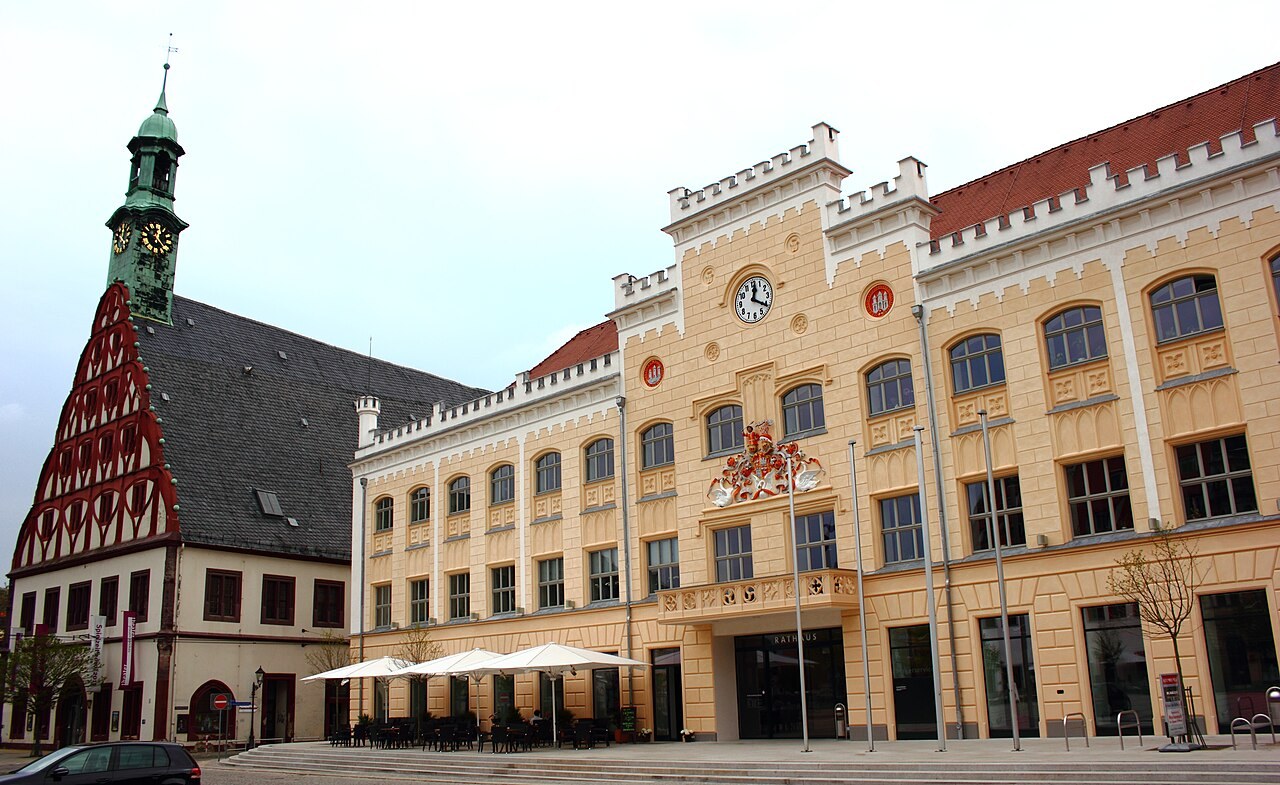
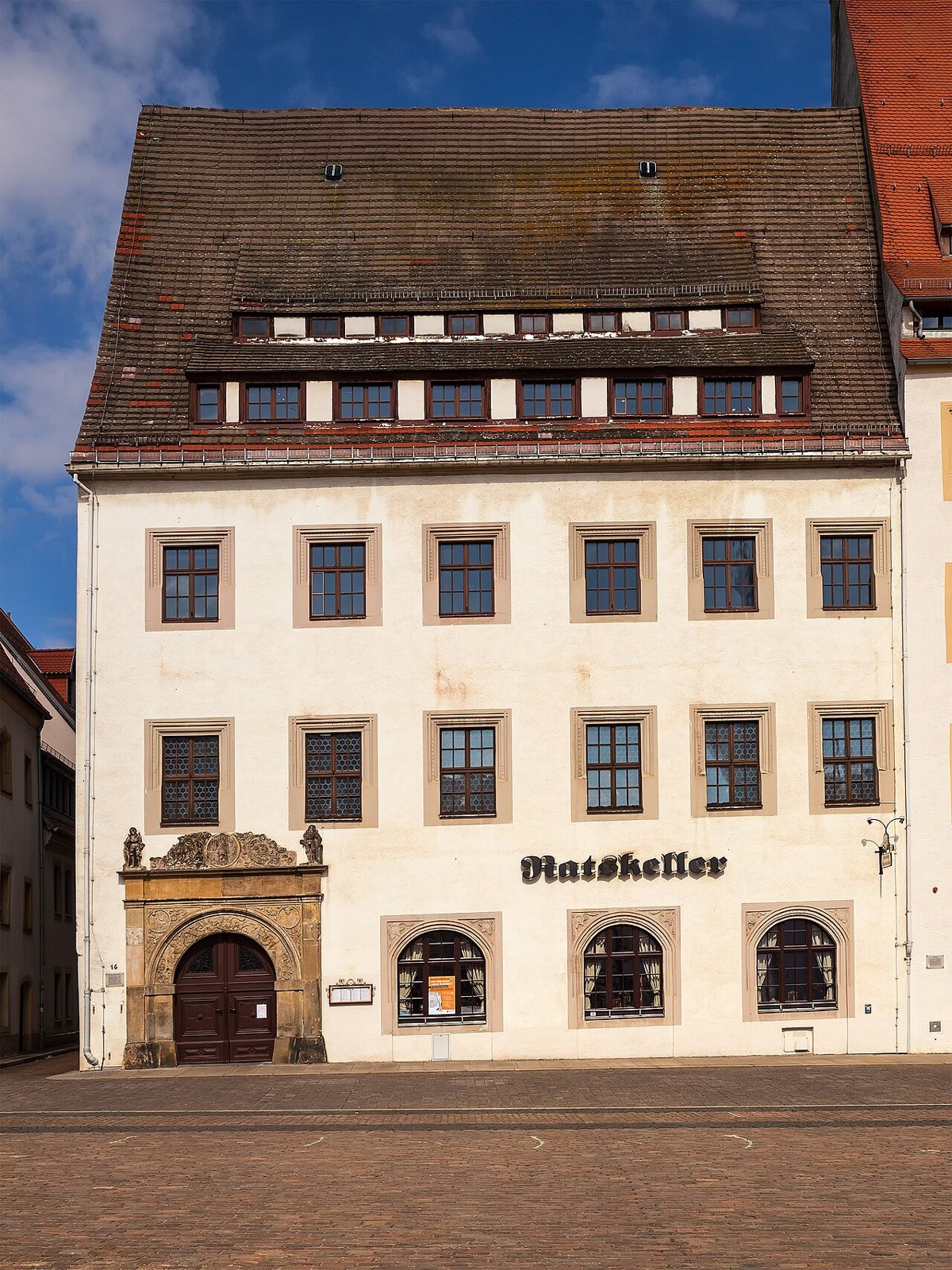
The square invites comparison. Look at the facades as the edges of a shared space rather than only as separate photographs. Where are buildings closely joined? Where does a street open out? Which details draw the eye upwards? These observations require no specialist knowledge and give the walk a direction of its own.
Look closely at one building
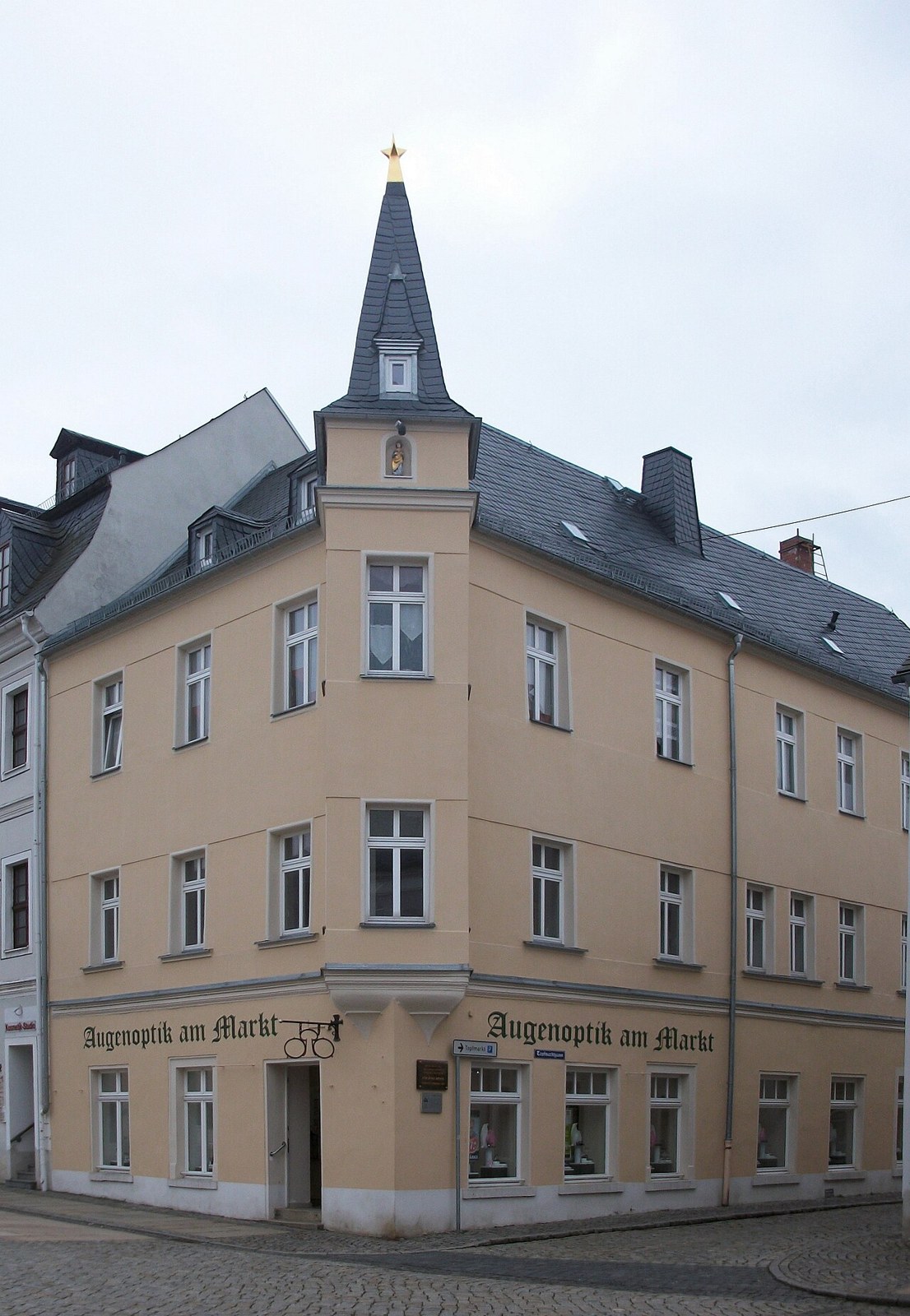
The Brotmännelhaus shown in the article photograph is one specific building on the market square. A picture can help you recognise a facade, but it does not explain its history. If a house interests you, look for interpretation on site or ask about it on a guided walk. A few decorative details are not enough to identify an architectural period confidently.
Spend time with the pattern of windows, the entrance and the roofline. Comparison with the next building becomes more meaningful afterwards. This slower approach can be more rewarding than taking many similar photographs in quick succession. Keep doors and pavements clear: the market remains an everyday place while visitors look around.
Visit the museum with a question
The Museum für bergmännische Volkskunst is on Obere Zobelgasse. Its official page and the city’s listing provide current visitor information. Check what is being displayed and whether a guided visit suits your interest. The institution’s name identifies a subject, not the complete contents of the experience.
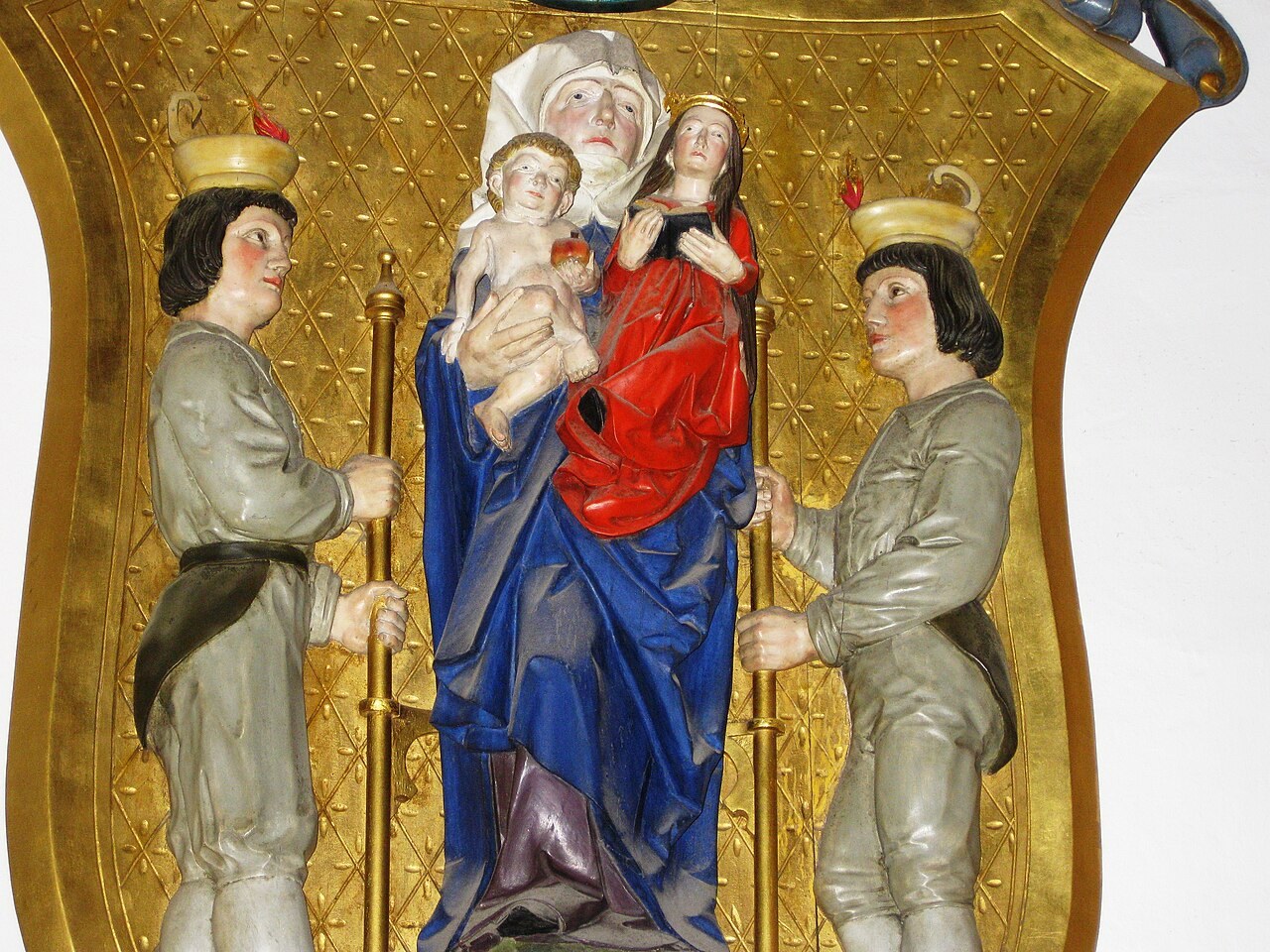
Folk art can be approached through several questions. What materials were used? Which activity or scene is represented? How does one object differ from a whole narrative arrangement? Use the available explanations rather than inferring function or origin only from appearance. Small works in particular reward more time than a passing glance.
A collection can also change how you think about souvenirs. An exhibited object is not merely a model for a purchase. It may express work, memory or regional ideas. If you later decide to buy something, ask about the making and origin of that particular item instead of treating a broad label such as “Ore Mountains” as a full explanation.
Add the church without crowding the day
St Wolfgang’s Church is another important reference in the townscape. An interior visit has its own arrangements, which need checking separately. Do not schedule church and museum so tightly that both become hurried circuits. Looking from outside remains a meaningful option when time or the building’s current use makes another indoor visit unsuitable.
A guided town walk can deepen the relationship between mining, urban development and buildings. Ask tourist information about an appropriate offer and its actual route. Tours do not all give every subject equal attention. For a group with mixed interests, a clearly described selection is often better than a title promising comprehensive coverage.
Include the approach and a pause
Plan from Chemnitz to the chosen starting point, not merely to the town name in a timetable. That name does not identify the easiest way to the museum. If another bus or a walk is involved, include it before any fixed appointment. When driving, choose parking around the places you will actually visit.
Use lunch as a break between the main subjects. After a museum, time away from displays helps retain individual impressions before another church or facade. Identify an actual option and check its opening if the timing matters. A town’s visitor appeal does not mean all its food businesses follow a single predictable schedule.
Leave with one connection you noticed
You might return to the market near the end and consider what has changed in your view. Perhaps crafted details stand out more, or the relationship between the open square and smaller streets seems clearer. One observation of that kind can provide a satisfying finish.
Schneeberg does not also need to serve as the starting point for several distant stops on this day. Museum, townscape and a pause already form a connected outing. Departure is easier when you have considered the last route before reaching the final attraction, rather than only discovering afterwards how far away the transport connection is.