Give the garden its own place in the plan
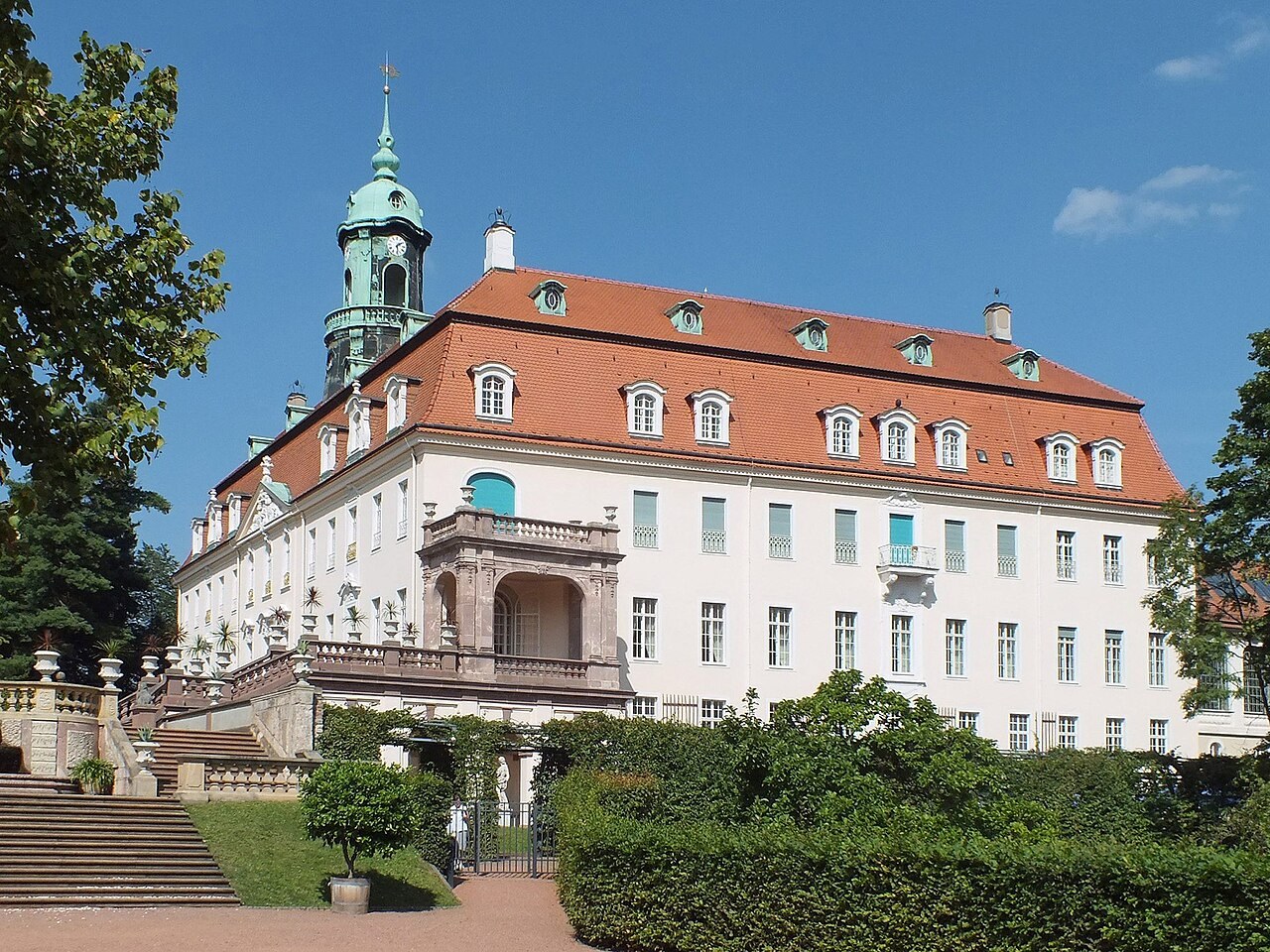
Lichtenwalde palace and park form an ensemble, but they ask for different kinds of attention. If the garden is the main interest, give it the best available part of the day. A lengthy indoor visit followed by a hurried circuit before closing would not reflect that priority. Equally, an exhibition can lead while the park remains a shorter addition.
The official park description discusses baroque structure, sight lines, paths, water features and pavilions. These spatial relationships offer more to follow than a large number of separate photo stops. Consider how a path directs your view and when a new scene becomes visible. That makes the garden a connected design rather than a set of isolated subjects.
Begin the first circuit slowly
Start with an overview of the plan and accessible areas. Choose a route that fits the time and energy available. A garden that looks straightforward on paper may still contain different surfaces or changes in level. Clarify particular access requirements in advance if a specific type of path is essential.
Do not begin by taking every possible turn. Follow one understandable connection and pause longer at selected places. A view along an axis changes when you move a few steps sideways. That shift is part of the design and can be more revealing than quickly collecting every recognisable scene.
Separate structure from seasonal effects
Water and planting shape the park, but they are not identical every day. Check current notices if a particular feature is crucial to the visit. A summer photograph cannot promise a working fountain or the same flowers in another month. Plan around the season you will actually experience.
Even without an expected display of blossom, the layout remains readable. Paths, sight lines and the relationship to the palace do not disappear because one plant is not flowering. Photographers can alternate between botanical details and the arrangement of space. These are different qualities of the same location rather than competing versions of it.
Add the palace deliberately
Use the operator’s website to see which exhibitions and activities are currently available inside. A ticket for one part does not necessarily include every other part. Read the scope of the offer and decide what you intend to use. The historic exterior does not identify the present exhibition programme.
If combining indoors and outdoors, allow a pause between them. In changeable weather, the order may be adjusted when booked times permit. A shower need not determine the entire day, but a reserved appointment cannot simply be moved without checking. Read the conditions before paying so that flexibility is real rather than assumed.
Plan to the correct entrance
The official visitor page explains parking and public transport approaches. Use it alongside a current journey search for the actual date. A seasonal additional service is not the same as a year-round connection. Save the precise address and intended entrance, rather than only the place name.
When driving, the walk from the car park is part of arrival. Check for current diversions as well. The operator may publish notices of this kind, making a final look before departure worthwhile. Navigation software does not necessarily account for every temporary condition affecting the visit.
Share the garden without requiring one pace
A group may contain different interests: plants, architecture or wider views. An agreed meeting point and a limited shared section can make that easier. Ensure everyone knows the return route and meeting time before separating within the areas open to visitors.
With children, try an observation question tied to the actual place. Where can you see the palace? Where do plants hide it? At which point can water be heard? These questions require neither entering flowerbeds nor collecting plants. Paths and barriers also protect the garden and allow other visitors to enjoy it.
Choose the last view deliberately
Do not organise the ending only around how many areas remain unseen. Return instead to a view that held your attention and consider it in different light or after the interior visit. That creates a relationship between the two parts of the day.
Lichtenwalde suits an outing in which slow walking is an essential activity. One selected indoor visit and an appropriate garden circuit can provide enough substance. Other castles in the region can remain separate destinations if adding them would turn this rhythm into a series of tightly timed journeys.