A connection across the city edge
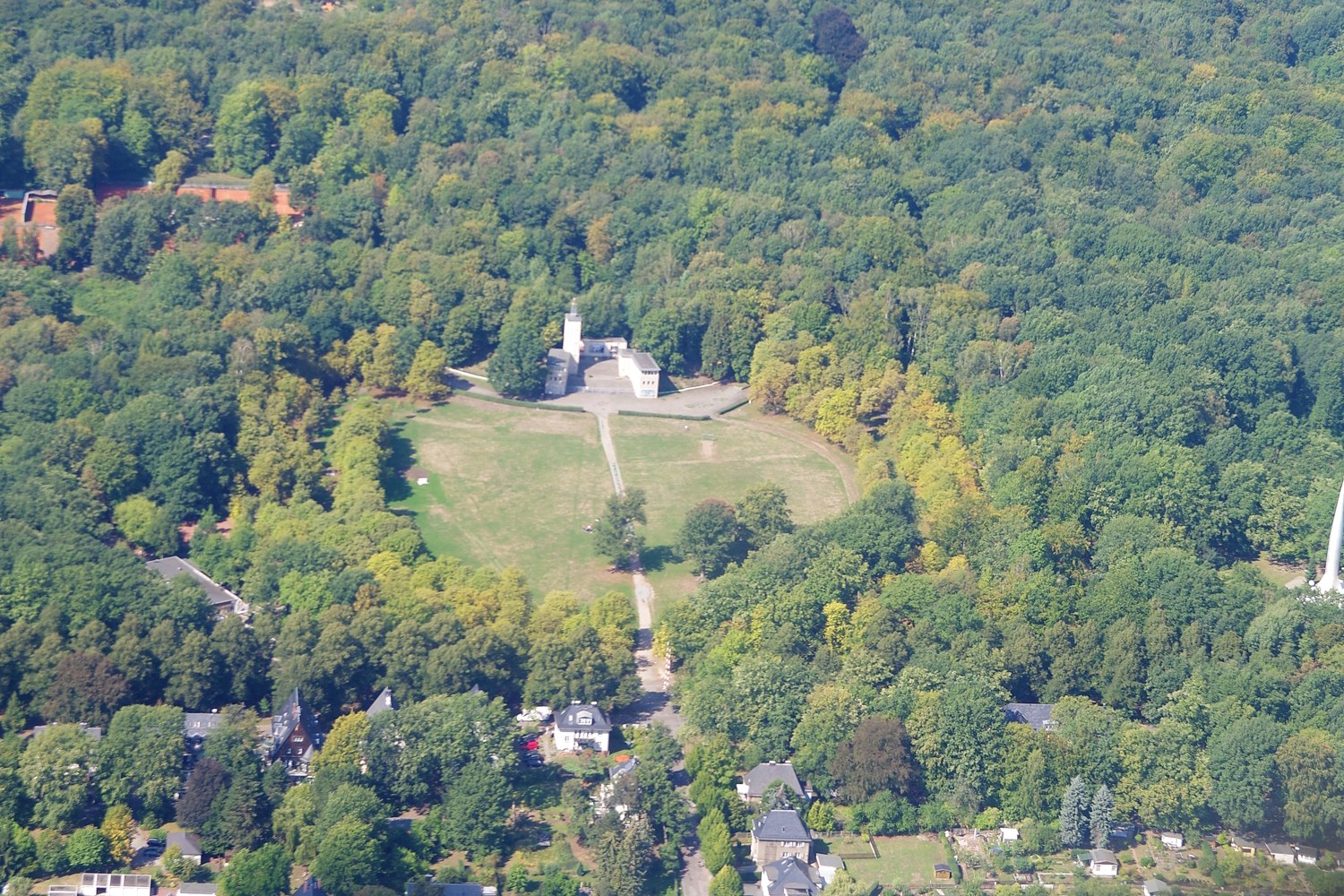
The Höhenweg culture trail links Adelsberg, Reichenhain, Erfenschlag and Harthau. The city describes approximately 18 kilometres with 29 stations. It is not a short promenade to fit casually between two appointments in the centre. Its purpose is to connect several districts and make their local stories visible alongside the landscape.
There is no need to complete the full distance in one day. A section with a clear beginning and finish may be a better first visit. Choose it from the official map and the journeys you can actually make. With only an afternoon available, do not begin the entire trail and leave the question of where to stop until later. Turning back becomes easier when it is already a legitimate option in the plan.
Consider arrival and departure together
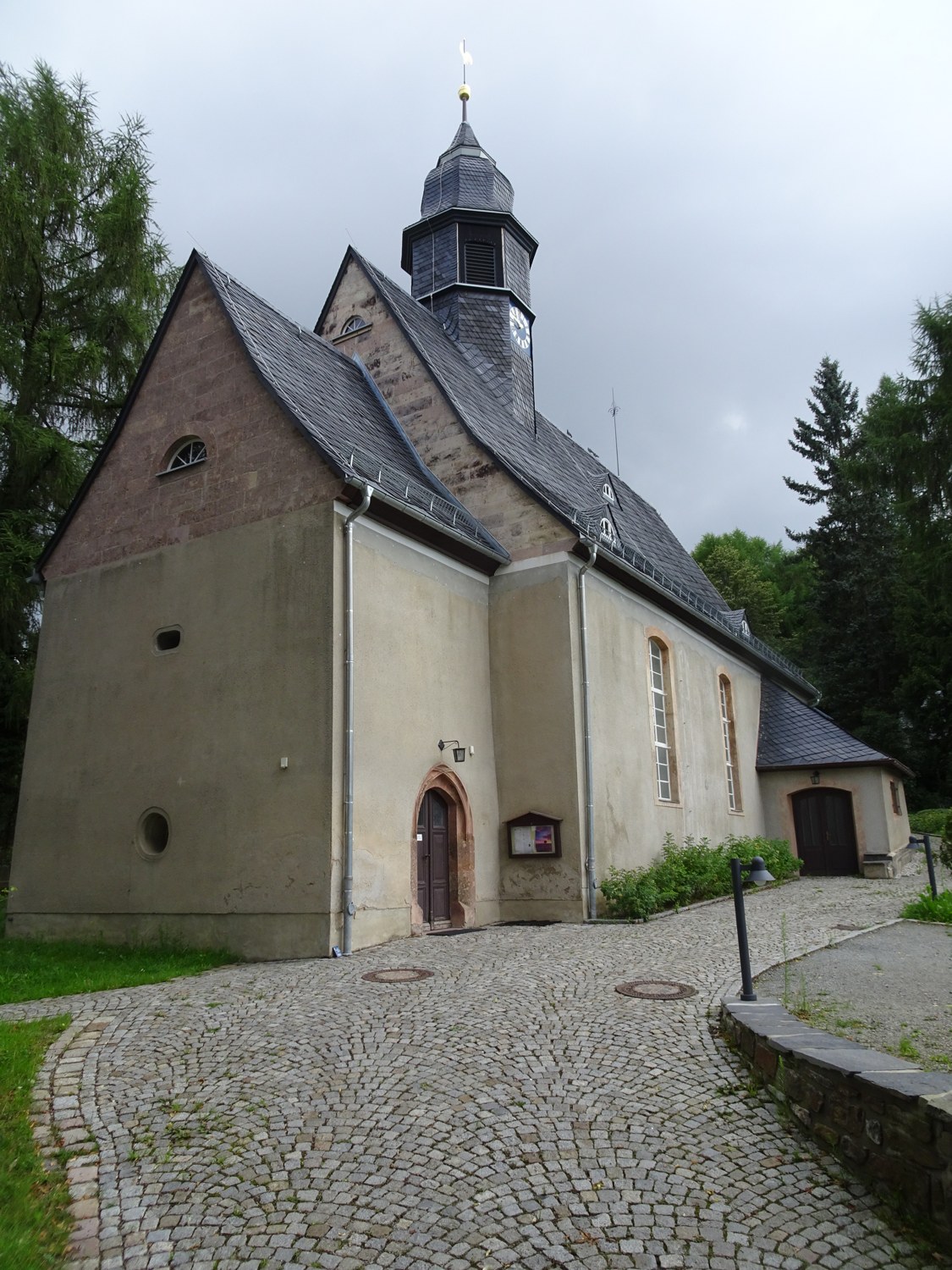
The published start is by the school and church in Adelsberg, with the finish identified at the traffic island in Harthau. It is therefore not automatically a circuit returning to its beginning. Drivers need to plan the journey back to the car just as public transport users need a suitable final connection. An endpoint with different transport may work better for your day than the official direction of travel.
Examine the chosen section in both directions. Where is the more demanding climb, where would you like to pause, and which end offers the more useful return? A current route map is more helpful here than a simple view of straight-line distances. A seemingly nearby stop may be reached by a different connection from the one you imagined.
Stations are not a collecting exercise
Information panels connect local history with the surroundings. Their number is not an instruction to spend equal time at each one. Read more closely where something raises a question or a place attracts your attention. Other panels can provide brief orientation. Uneven attention is part of an individual visit rather than evidence of an incomplete tour.
One approach is to choose a question before starting. How do the districts differ? What roles have water, farming or earlier work played? A question connects pieces of information without requiring a complete written chronology. Two or three precise observations are enough to remember the route as something more than a distance covered.
Use the shelters as punctuation
The project includes covered resting places shaped as weather shelters, or Wetterpilze. These visible design elements can help divide a section into manageable parts. Do not depend on a seat being unoccupied when you arrive or treat every shelter as complete protection from the weather. Suitable clothing and drinks remain part of your own preparation.
Open ground can feel different from streets or woodland at the same temperature. Wind and rain should influence how much of the trail you attempt. A shorter section in poor conditions is not an inferior visit. It gives more opportunity to notice the surroundings rather than completing the rest only to satisfy a number chosen earlier.
Walking with other people
If walking speeds differ, agree on recognisable meeting points. A junction or a named station is clearer than assuming the faster walkers will eventually stop somewhere. Anyone who needs to leave the trail early requires an actual way back, not a vague expectation that there will be a bus nearby.
Reading stops can vary as well. Some visitors are more interested in the panels and others in the landscape. Give room to both. If translating an explanation, stop for the conversation rather than simultaneously leading the group through a junction. That reduces confusion, particularly when several languages are being used.
Leave room for another visit
At the finish, note where you stopped and which subject still interests you. That can become the beginning of a second outing. A culture trail benefits from not having every impression compressed into one day. Use the city's project page for the current route, notices and overview of stations. Your chosen plan can be smaller than the entire trail while still forming a complete visit.