Put the name in the right place
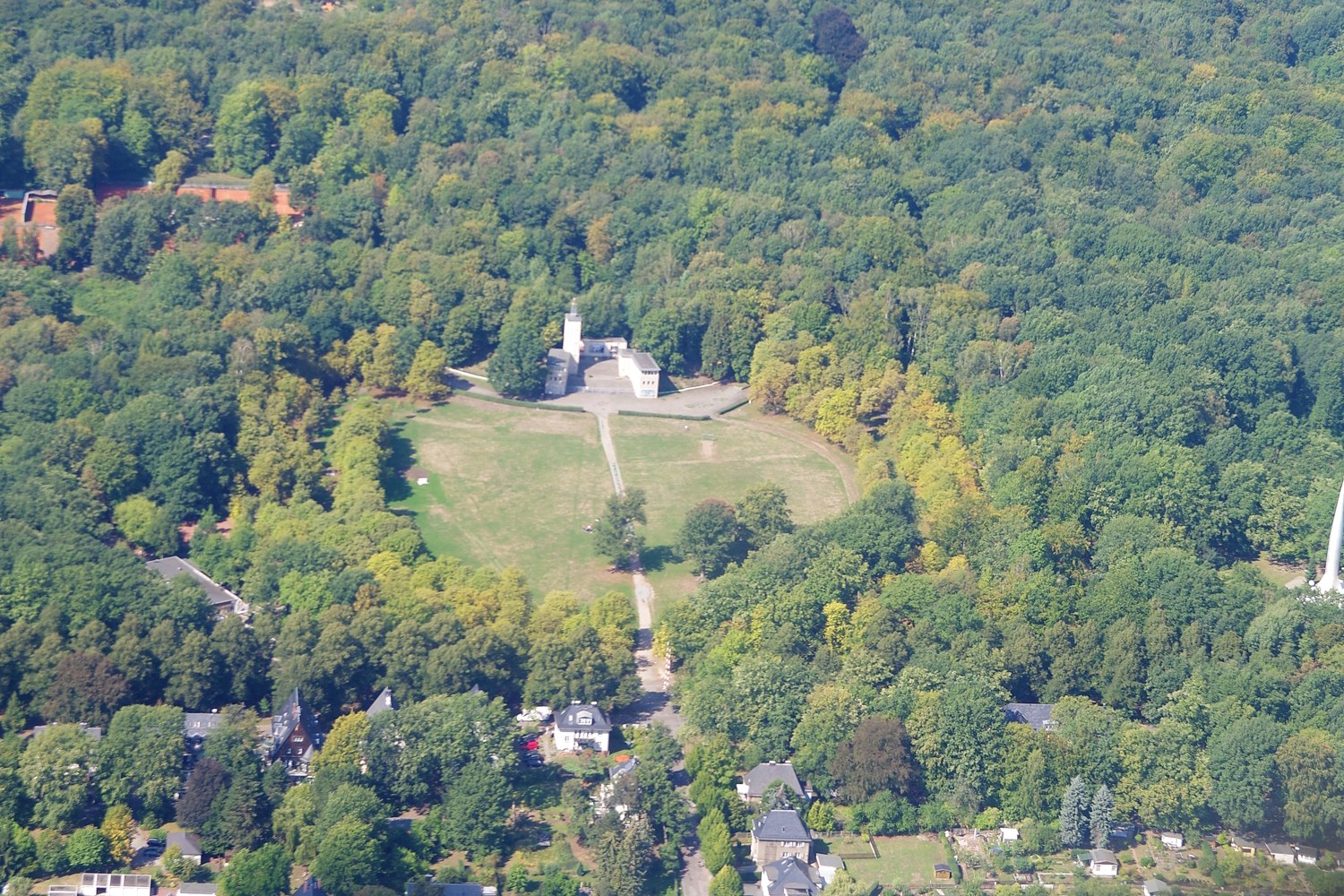
The first task at Crimmitschauer Wald is to make sure navigation points to the woodland in Chemnitz rather than sending you towards the town of Crimmitschau. The city's forestry information explicitly includes this forest among its municipal woodland areas. A specific entrance is therefore more useful than searching only for the similar place name.
For a first circuit, select a marked path on the themed city map and establish how it returns to the beginning. Staying with an identifiable route leaves more attention for the surroundings. Variety does not require a complicated succession of junctions; light, vegetation and surfaces can change along a simple connection.
See a forest with several uses
The woodland provides recreation but is also maintained and managed. The city publishes forestry notices and temporary closures. Such work belongs to the reality of the place rather than indicating a mistake in your planning. What matters is staying outside closed areas and choosing a different walk if necessary.
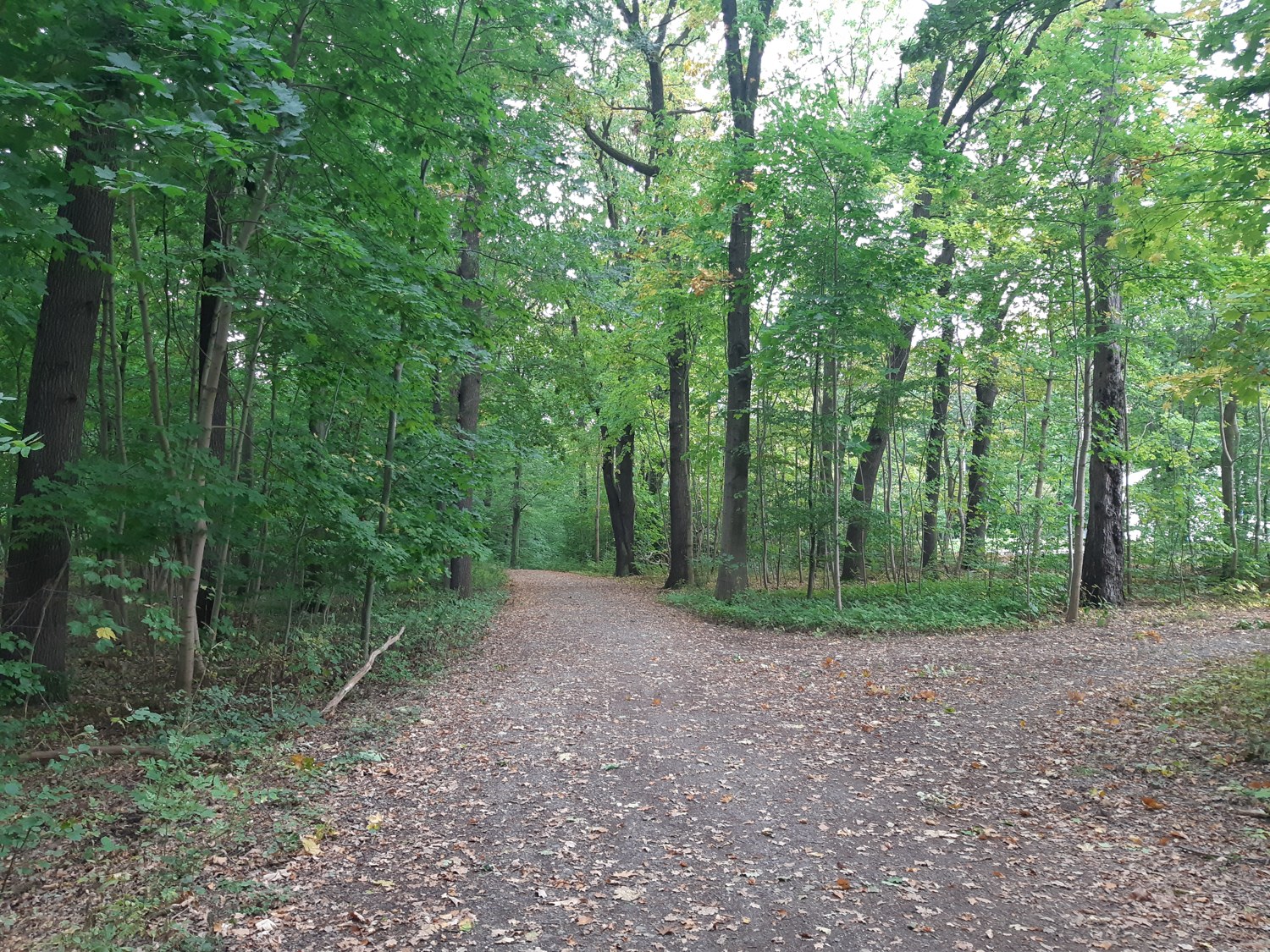
Notice differences between stands of trees and open patches. Young growth creates a different sense of space from taller, older trunks. A clearing changes wind and temperature. These observations do not require confident identification of every species. For something you want to investigate later, take a photograph rather than removing plants or wood.
Krummer Weg is one specific name that can help relate the woodland to a map. Connect names like this with the particular extract you are following. Remembering a path name alone does not establish which junction you have reached. On a second visit, compare the same location in another season. Leaves may enclose a stretch in summer, while winter reveals longer lines through the trees.
Give a quiet walk a clear shape
A short woodland visit need not have a sporting objective. Choose a point at which the return begins and leave room to pause. A group can share the same route while walking at slightly different speeds. Meet at identifiable junctions rather than an unspecified place further ahead.
Children can follow a small observation question: where is dead wood visible, and what can be seen on it? Leave the material where it lies. A magnifying glass can help without collecting or turning anything over. Adults can share the interest rather than seeing the walk only as movement between two points. The activity should remain optional, not turn every stop into a lesson.
After rain, footwear should suit the ground actually underfoot. Roots, leaves and unpaved edges deserve attention. If a path is closed, use known alternatives rather than creating a new line through the trees. That does not make the outing less individual or less interesting. A route you can confidently find again is what allows attention to move from navigation to the woodland itself.