History does not sit in separate compartments
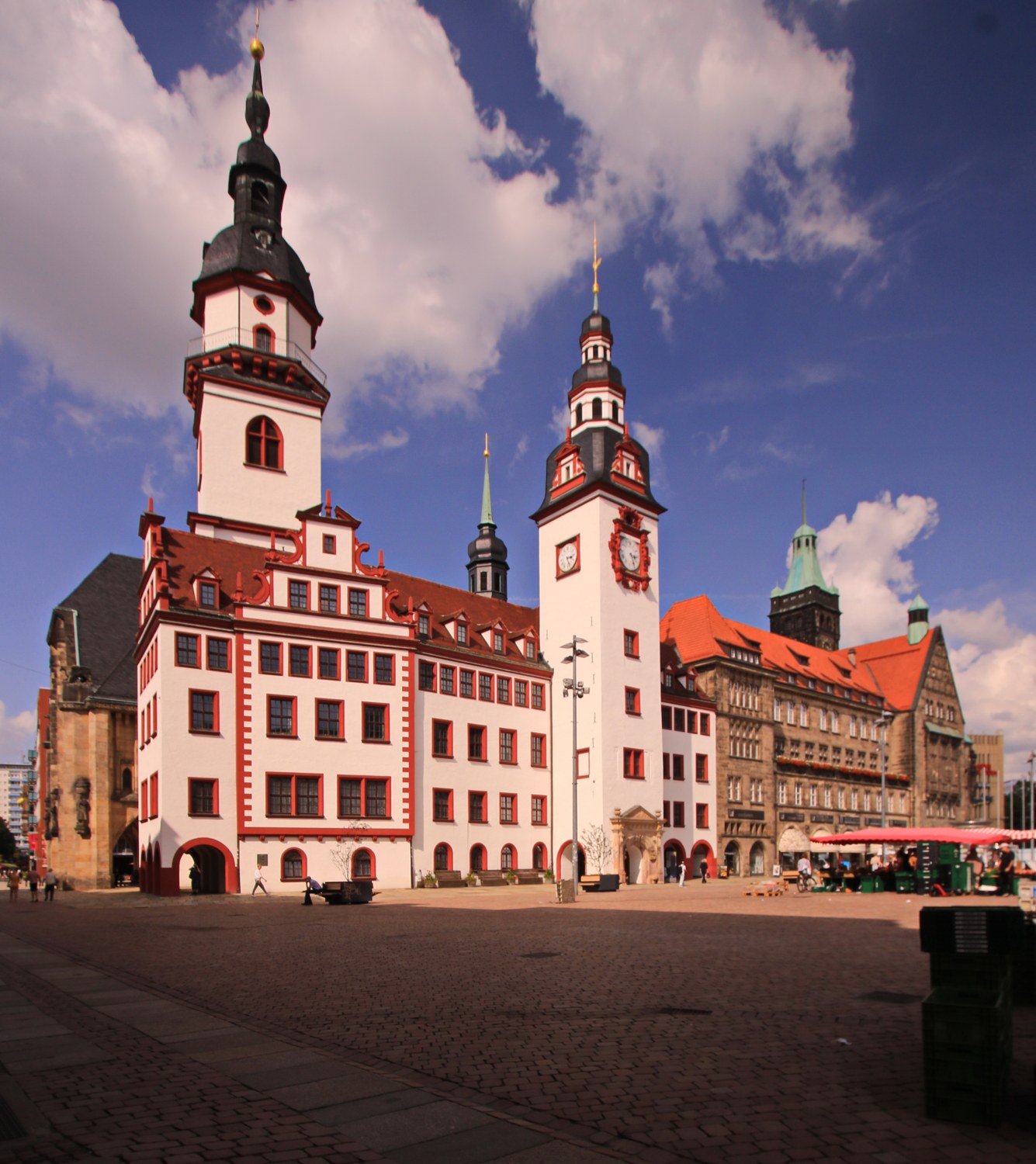
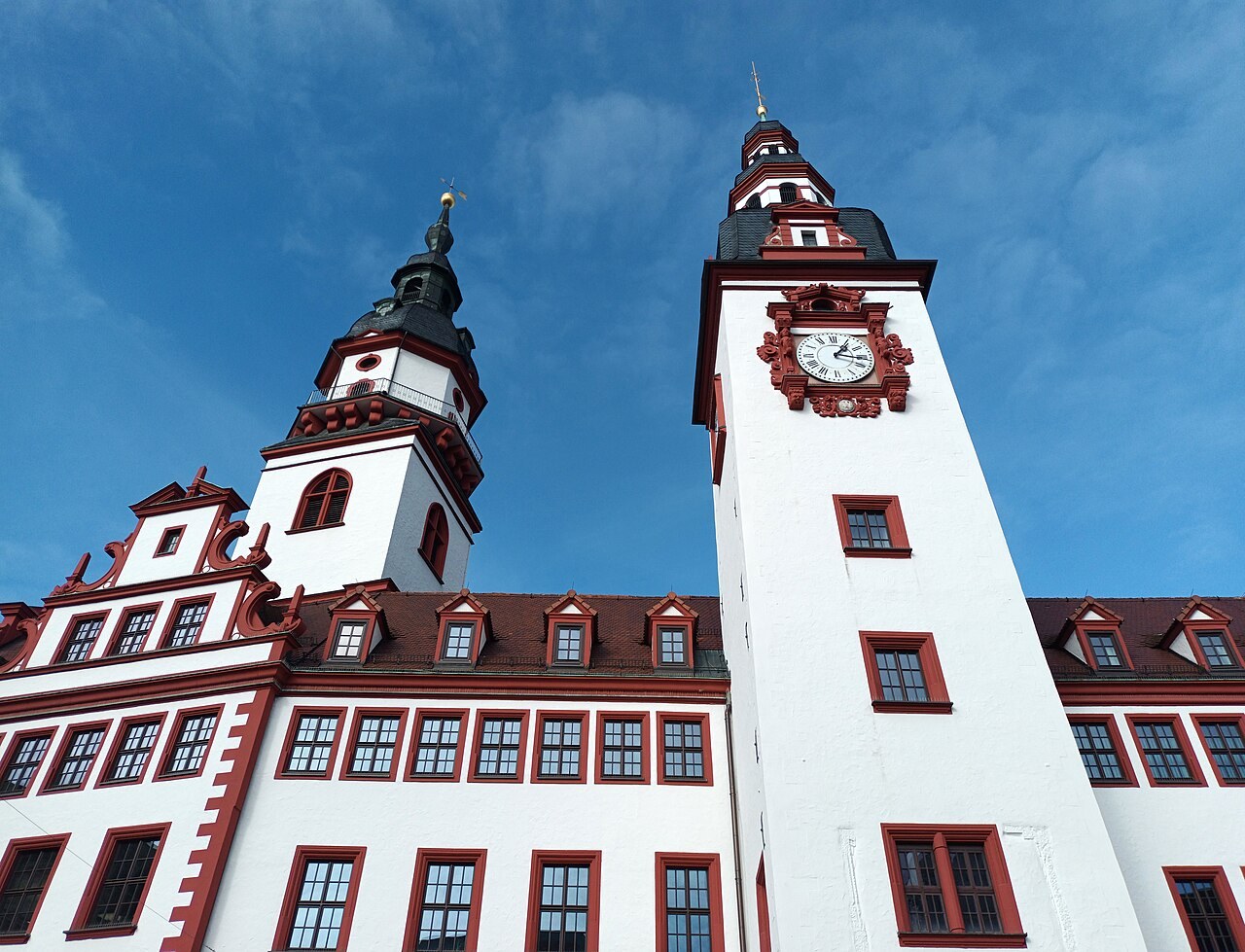
In central Chemnitz, the past is often easier to understand as overlapping layers than as a neat chronological route. Older landmarks on the market square stand among buildings shaped by later reconstruction and development. Begin with the town halls. Look for changes in materials, proportions and decoration, and notice where separate parts read as one building. Interpretation panels or a guided tour are more reliable than guessing the age of a detail from its appearance.
The Roter Turm provides a second focus. As a surviving part of the earlier city defences, it helps explain an older Chemnitz, but it cannot account for the whole present-day centre. Its surroundings are part of the story. Notice the open spaces, nearby buildings and paths people now use as they pass it.
Cultural ambition and a political monument
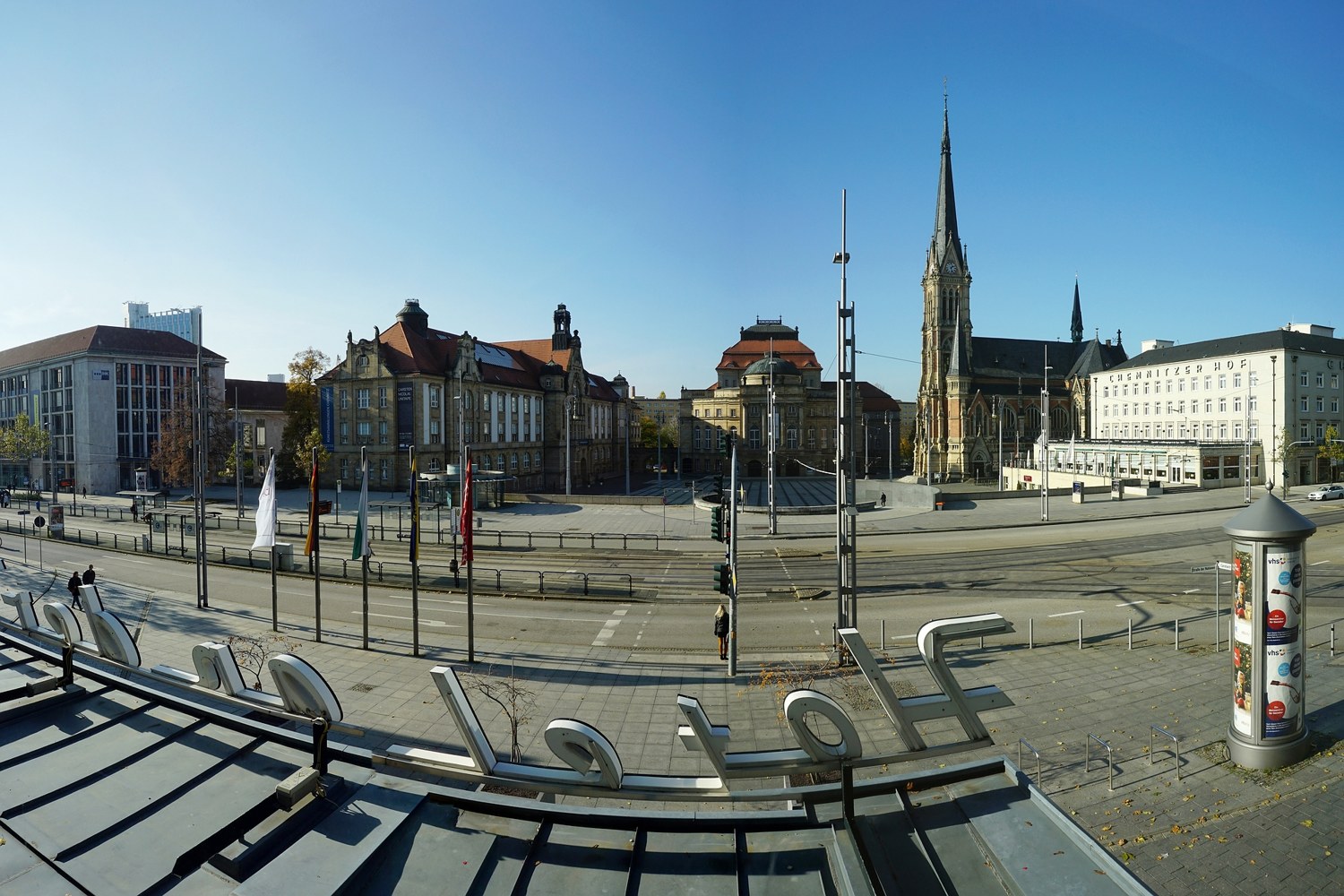
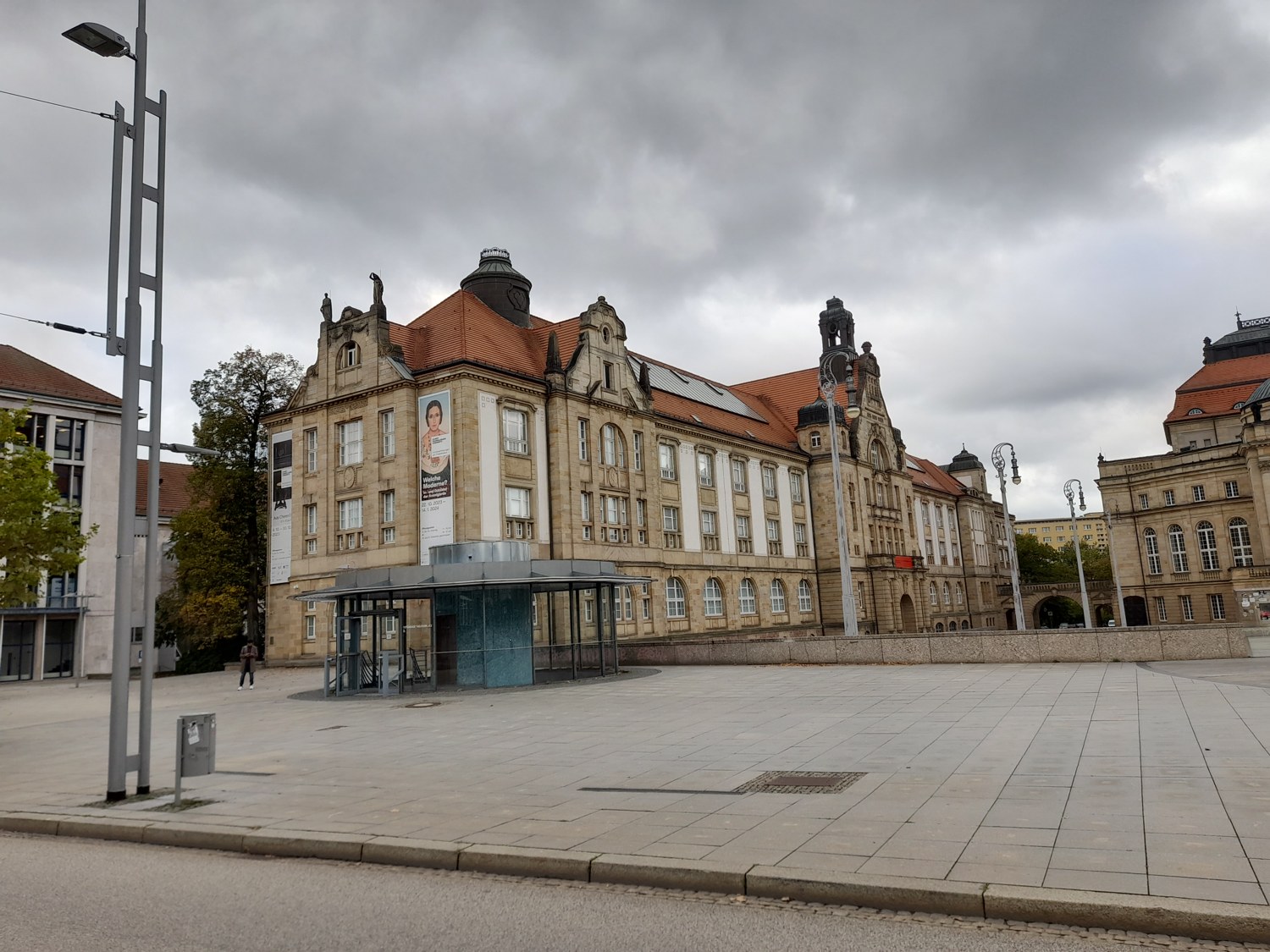
At Theaterplatz, the emphasis changes to cultural institutions and the way a city presents itself. The opera house and art collections can be considered together as an ensemble. If you want to go inside a museum, give that visit its own block of time. Looking briefly at a facade and exploring a collection are different activities.
The Karl Marx Monument on Brückenstraße brings the walk into the GDR period, when the city was named Karl-Marx-Stadt. Consider more than the head itself: the pedestal, scale and architecture behind it all affect how the work occupies the street. A prominent political symbol should not be mistaken for a complete account of everyday life in that period. Other sources and personal histories would be needed for that.
Carry one question through the walk
A limited theme can make the connections clearer. You might compare the use of public space at the market, Theaterplatz and the monument. Where do people pause? How is traffic handled? Which buildings define the edges? These observations give the walk a purpose beyond collecting dates.
Choose the order around your starting point and use a current map for the links between stops. This selection is not a signposted historical trail. A guided city walk can add context and point out details that are easy to miss independently. Afterwards, recording two questions you still have may be more useful than trying to turn a few hours of sightseeing into a definitive history of Chemnitz.