Begin with an interest
A museum day in Chemnitz becomes easier when the children's interests come first. Are they curious about animals and plants, old objects, machines or pictures? That produces a more useful choice than a general ranking of important institutions. A child currently examining every vehicle approaches a museum differently from one who wants to draw. They do not need identical routes.
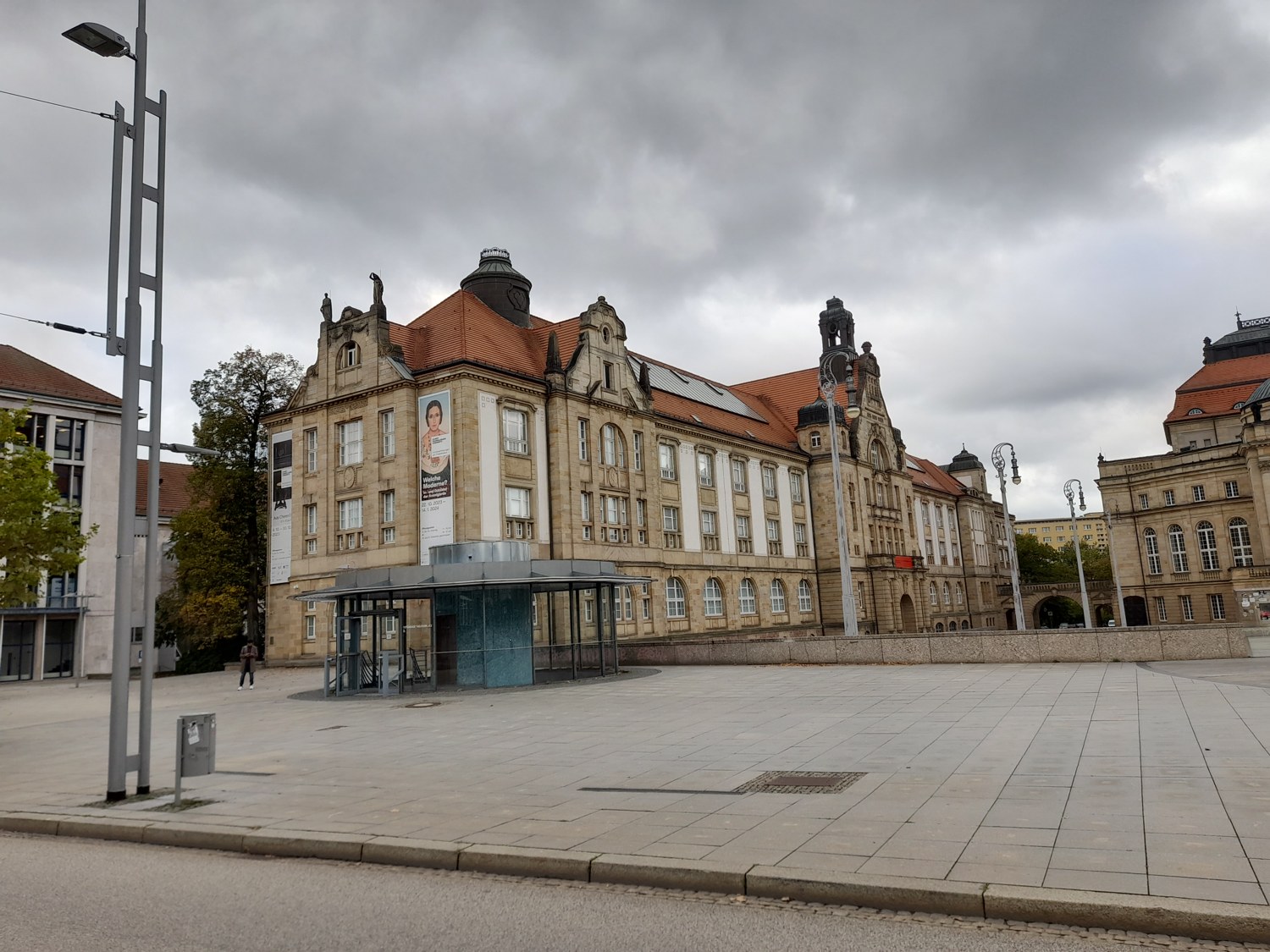
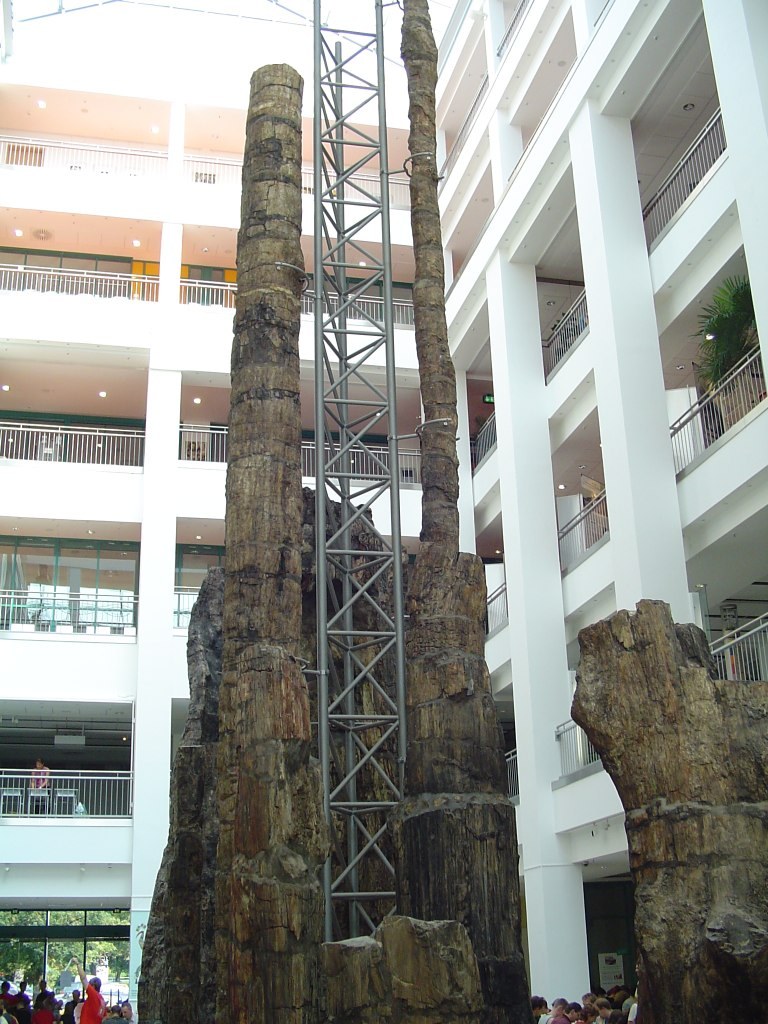
The natural history museum in TIETZ, smac and the industrial museum offer different subjects. The Petrified Forest at TIETZ can prompt a question about material: how can something resemble a tree while being stone? At smac, everyday objects open questions about earlier ways of living. At the industrial museum, making things and technical work become the focus. For a first shared day, choose one subject rather than combining all three buildings.
A little preparation is enough
Before visiting, show a photograph of a relevant object and ask what stands out. A long introduction is unnecessary. Children need not learn dates before being allowed to understand something. A question of their own often generates more attention than a list of things adults insist on showing them.
Check the chosen museum's family programme. A tour or workshop can help when its age guidance, language and duration fit. It remains a separate activity that may need registration. A programme advertised for groups should not be assumed available to individual visitors at any time. For an independent visit, borrow the underlying principle instead: a few objects and time to ask questions.
Three objects rather than every room
One manageable task is to select three things together: something familiar, something puzzling and something surprising. Each may be chosen for a different reason. An object can look familiar even though it once had a different use; another may attract attention simply because of its size. Read the label afterwards so that the first observation is not immediately replaced by an explanation.
In natural history, attention may go to shape and surface. With an old tool, the question might concern how a hand would use it. In an art exhibition, ask where the eye goes first. Questions should respond to the object rather than repeating the same treasure-hunt task regardless of subject.
Make the pause part of the visit
Children can be interested and tired at the same time. Restlessness does not automatically mean that the museum was a poor choice. Arrange the pause before everyone is exhausted. Establish where eating is permitted and whether a quiet seat is available. Exhibition rooms are generally not the place for snacks brought from home.
With siblings moving at different speeds, one adult may remain beside an object while another begins the break. That needs a clear meeting point and a building where the arrangement works. One adult accompanying several children may be better served by a shorter route that everyone can follow together. The plan should reduce effort for the family rather than creating another coordination problem.
Do not assume that objects can be touched
A museum with family activities is not automatically a place where everything is hands-on. Explain the distinction between designated interactive stations and collection objects. Asking staff is appropriate; independently trying a historic machine is not. Technical displays can be particularly tempting when handles and buttons are visible.
Photographs and drawings can preserve memories where the house rules allow them. A small sketch may be more valuable than many hurried phone pictures. Let the child decide what they want to retain. Adults do not need to document the visit comprehensively.
Leave with an unfinished question
At the end, each person can name something that still interests them. It may produce another question at home. It is equally acceptable if the response is simply that a machine was enormous or a stone looked unusual. A successful museum day need not produce an immediately measurable quantity of knowledge. It creates a reason to look more closely and perhaps return another time.